

The international financial community currently views Argentina with a mixture of clinical fascination and deep-seated caution. While Wall Street and the International Monetary Fund (IMF) have lauded the administration of President Javier Milei for achieving a historic fiscal surplus—a feat previously deemed impossible in the Argentine political landscape—the focus is rapidly shifting from the "chainsaw" of budget cuts to the long-term viability of the country’s capital structure. Global banks recognize the indisputable achievement of slashing inflation and stabilizing the currency, yet they remain wary of the "fiscal asphyxia" being applied to the domestic economy. The concern is that while reducing the deficit is a necessary condition for recovery, the sheer intensity of the contraction risks hollowing out the very productive base needed to generate the hard currency required for upcoming sovereign maturities.
The positive indicators are led by a sharp compression in sovereign risk and a newfound discipline in the Treasury, which has fundamentally altered the short-term inflationary trajectory. Investors have responded to this by driving bond prices to multi-year highs, signaling a vote of confidence in the executive’s ideological commitment to zero deficit. However, this optimism is tempered by the administration’s continued reliance on sophisticated debt engineering. The international banking sector is closely monitoring the transition from central bank liabilities to Treasury securities; while this move aims to "clean" the Central Bank's balance sheet, it essentially migrates the burden of debt without necessarily reducing the total stock of public obligations. The consensus among global analysts is that for Argentina to truly turn the corner, it must move beyond the cycle of issuing new titles to cover old holes and instead foster a genuine environment for investment that does not depend on the "carry trade" or high-interest local debt.
On the darker side of the ledger, significant compliance and institutional shadows have begun to loom over the executive branch, causing unease among the ESG-conscious (Environmental, Social, and Governance) tiers of international finance. Reports from transparency watchdogs and human rights organizations have highlighted a concerning trend of "institutional deterioration," characterized by the bypass of traditional legislative debate through expansive executive decrees. This concentration of power, while effective for rapid fiscal adjustment, raises red flags regarding the long-term stability of the "rules of the game." Furthermore, allegations of opacity in public procurement and the handling of influential appointments have surfaced, suggesting that the "caste" the administration vowed to dismantle may simply be being replaced by a new, equally insulated circle of power. For international banks, these compliance risks are not merely ethical; they are financial, as a lack of institutional transparency historically correlates with a higher probability of policy reversal and future litigation.
The path forward for the Milei administration is increasingly narrow. The international community is demanding a roadmap that replaces emergency fiscal measures with sustainable structural reforms. The "asphyxia" caused by the withdrawal of public spending has reached its limit in terms of social and economic tolerance, and the world of finance is now looking for signs of a pivot toward growth. To regain full access to international credit markets and avoid a default on the massive maturities looming in 2026, the executive must prove that it can maintain its surplus without further indebting the state or sacrificing the country's social fabric. Until the administration can demonstrate a transparent, law-abiding governance model that promotes production over speculation, the global financial world will remain a skeptical partner, cheering the math while questioning the method.
Te puede interesar

Vaca Muerta y el dilema cambiario: Unificación sin atajos, mitigación de la enfermedad holandesa, el realismo en los ratios de deuda y la gobernabilidad de la transición
RN
Economía09 de septiembre de 2026Con un piso estructural de USD 75 para el crudo, la renta de Vaca Muerta redefine el superávit externo. La hoja de ruta macroeconómica para desarmar el cepo, transitar hacia el bimonetarismo, asumir las turbulencias de solvencia y contener el desgaste político y social del reacomodo.
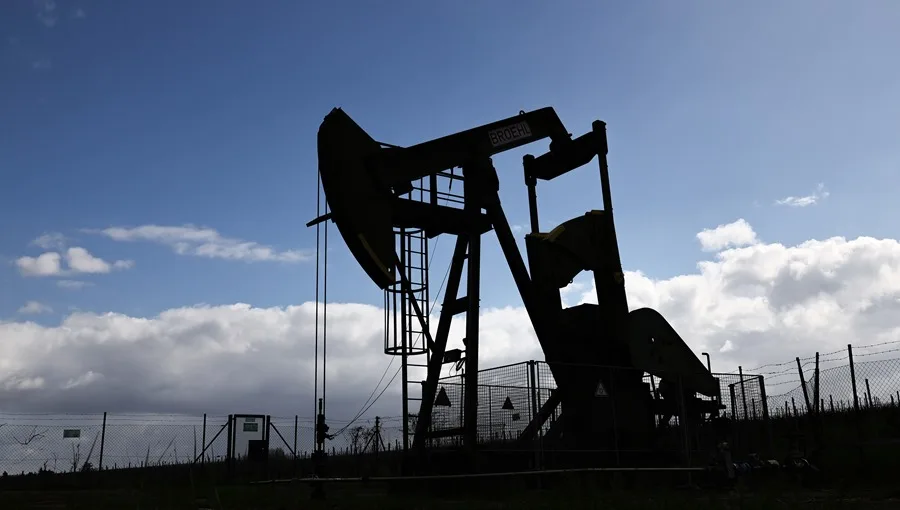
El fantasma del crudo elevado: Radiografía de un shock persistente, los dilemas del pass-through y el desafío de la enfermedad holandesa en la Argentina
RN
Economía09 de septiembre de 2026Con las tasas largas bajo asedio y el mercado energético operando con un piso estructural de costos y riesgos geopolíticos, la economía global enfrenta un dilema inflacionario. El análisis meticuloso de los beneficios macroeconómicos, las cuentas subnacionales y el riesgo latente de apreciación cambiaria.
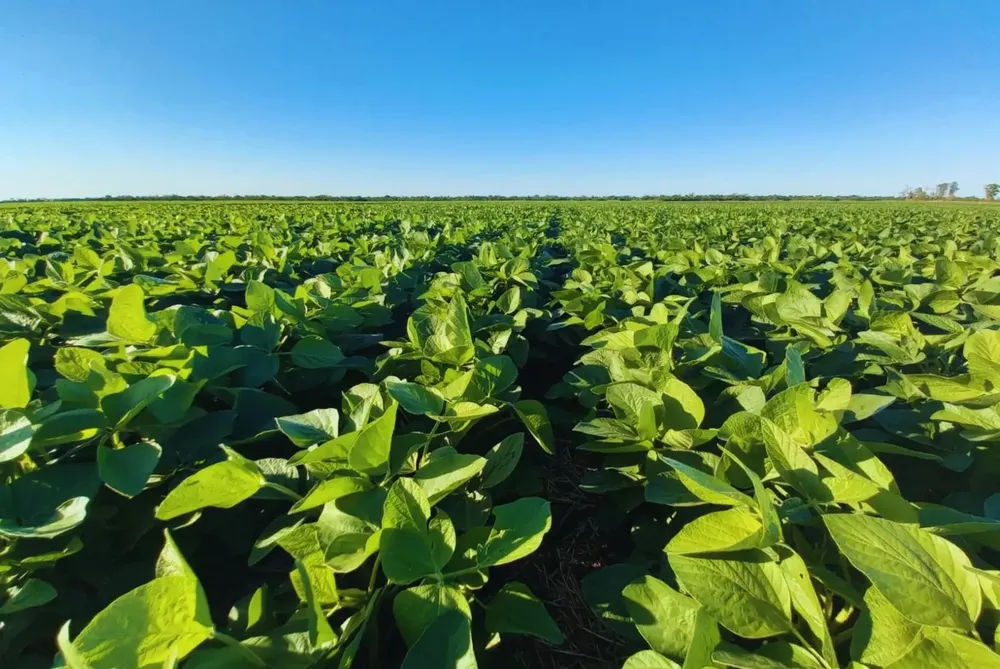
El pulso alterado del Cono Sur: La amenaza del Súper Niño sobre el granero del mundo y la estabilidad global
RN
Economía09 de septiembre de 2026Radiografía de una vulnerabilidad sistémica que jaquea las cadenas de suministro agroindustrial, reconfigura el comercio exterior y pone en vilo la seguridad alimentaria planetaria.

El dividendo invisible: la trampa estructural de la atmósfera unificada
RN
Economía08 de septiembre de 2026
Lo más visto
Vaca Muerta y el dilema cambiario: Unificación sin atajos, mitigación de la enfermedad holandesa, el realismo en los ratios de deuda y la gobernabilidad de la transición
RN
Economía09 de septiembre de 2026Con un piso estructural de USD 75 para el crudo, la renta de Vaca Muerta redefine el superávit externo. La hoja de ruta macroeconómica para desarmar el cepo, transitar hacia el bimonetarismo, asumir las turbulencias de solvencia y contener el desgaste político y social del reacomodo.

El algoritmo de la verdad urbana: cómo IRIU audita propiedad por propiedad frente a la crisis climática
RN
Real Estate Risk10 de septiembre de 2026La empresa argentina DAIA se prepara para lanzar en el mercado regional una plataforma de inteligencia artificial que promete reescribir las reglas del Real Estate y la gobernanza municipal, dotando a los gobiernos locales de una herramienta de etiquetado de viviendas para planificar mitigaciones, rediseñar esquemas fiscales y blindar las finanzas públicas frente al riesgo.

El talón de Aquiles de la vivienda: por qué el leasing inmobiliario ofrece al sistema financiero la salida más limpia que el crédito hipotecario
Peter Sundheimer
Real Estate Risk13 de septiembre de 2026Frente a las tensiones de liquidez y riesgo crediticio de las líneas tradicionales, la figura del leasing habitacional emerge como un instrumento idóneo para apalancar los nuevos desembolsos del FGS, blindar el balance de los bancos y reducir las barreras de ingreso para las familias.

El estallido hídrico en los Andes: Diques de colas ante la prueba de fuego del "Super Niño"
RN
Comunidades Seguras14 de septiembre de 2026Entre vacíos legales, pasivos abandonados y el riesgo de colapso hidrogeológico, la megaminería metalífera argentina enfrenta su mayor desafío de estabilidad geotécnica en la Cordillera.
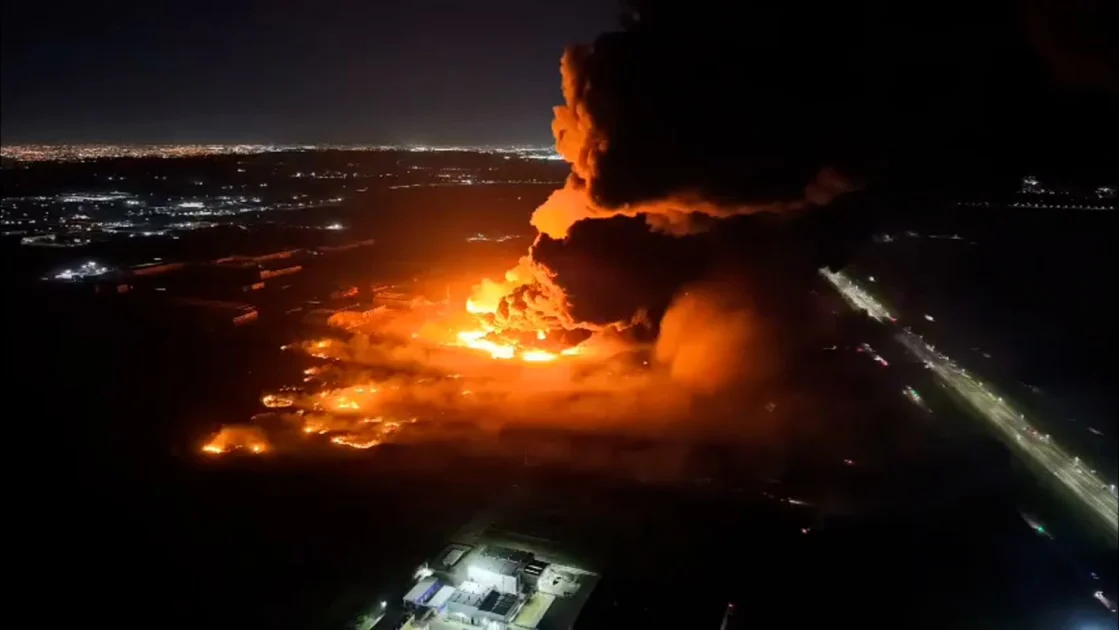
La vulnerabilidad latente en la gestión del riesgo químico industrial: el imperativo de la ingeniería de suscripción y el control activo en Parques Industriales
RN
Comunidades Seguras15 de septiembre de 2026Lecciones del caso Spegazzini: las deficiencias de fiscalización pública y privada frente a la responsabilidad del mercado asegurador argentino ante incidentes HAZMAT.