The Invisible Frontline: AI Sabotage and the Iran-North Korea Nexus in 2026

Strategic Asymmetry in a Volatile Year: Anticipating Non-Kinetic Strikes on Global Civilian Infrastructure.
06 de marzo de 2026RNRN

As 2026 unfolds amidst a significant escalation of kinetic and hybrid attacks across various regions of the Arab world, the geopolitical calculus of "traditional" warfare is being rapidly rewritten. In this climate of heightened tension, the strategic partnership between Iran and North Korea has evolved beyond simple technological exchange into a sophisticated, non-kinetic threat architecture. Given the current pressures facing Tehran and the opportunistic nature of Pyongyang’s military doctrine, it is no longer far-fetched to anticipate a coordinated, multi-latitude operation targeting civilian infrastructure in North America, Europe, or Latin America—all achieved without firing a single conventional shot.

The cornerstone of this potential offensive lies in an AI-driven "informational blackout." By integrating North Korean expertise in state-sponsored cyber-warfare with Iranian strategic objectives, these actors can deploy autonomous algorithms to paralyze critical logistics. From disrupting the automated switching systems of major European rail networks to compromising the air traffic control integrity in North American hubs, the goal is total operational stasis. These AI tools are designed to exploit "zero-day" vulnerabilities at a scale that traditional cybersecurity cannot match, potentially triggering unclear and destabilizing movements in global stock markets as trust in digital financial systems evaporates.

Furthermore, the logistical cooperation between these two nations presents a disturbing evolution in civilian-targeted sabotage: the weaponization of the global supply chain. North Korea’s historical proficiency in the clandestine movement of sensitive materials could facilitate the "radiological seeding" of agro-industrial sectors. By introducing trace amounts of radioactive material into raw material processing centers in Latin America or Europe, they could engineer localized contamination crises. Such actions would not only complicate productive sectors but would strike at the heart of public health and economic stability, creating a "silent" crisis that bypasses traditional missile defense shields.

The human dimension of this threat is underscored by the vulnerability of vital natural resources, particularly water. As regional conflicts in 2026 impact natural resource security, the precedent for using resource deprivation as a strategic lever has been set. A coordinated cyber-physical attack on water treatment facilities or desalination plants—managed by vulnerable SCADA systems—could leave vast urban populations exposed to critical shortages. This convergence of AI sabotage, radiological risk, and resource manipulation represents a new frontier of global risk. It suggests that the most devastating response to current regional pressures may not be a battlefield escalation, but a calculated, invisible strike against the civil systems that sustain modern life across the Western Hemisphere and beyond.

Lo más visto
md (33)

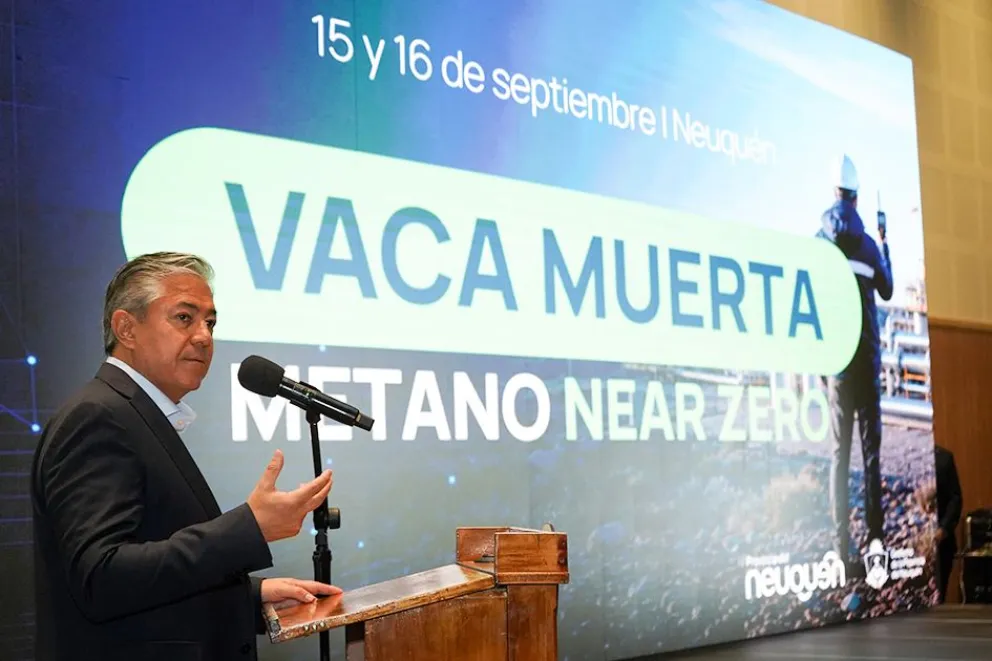
Neuquén frente a la encrucijada climática de Vaca Muerta: el precio de la descarbonización en la era del GNL exportable

RN
Minería & Energia16 de septiembre de 2026
En el marco del foro internacional de sostenibilidad energética, el gobierno neuquino vinculó de forma directa la validez comercial del gas no convencional con la reducción drástica de emisiones. Sin embargo, la brecha de inversión tecnológica, los pasivos ambientales históricos y los severos déficits de infraestructura en municipios clave como Añelo imponen un complejo cuello de botella operativo para la cuenca.