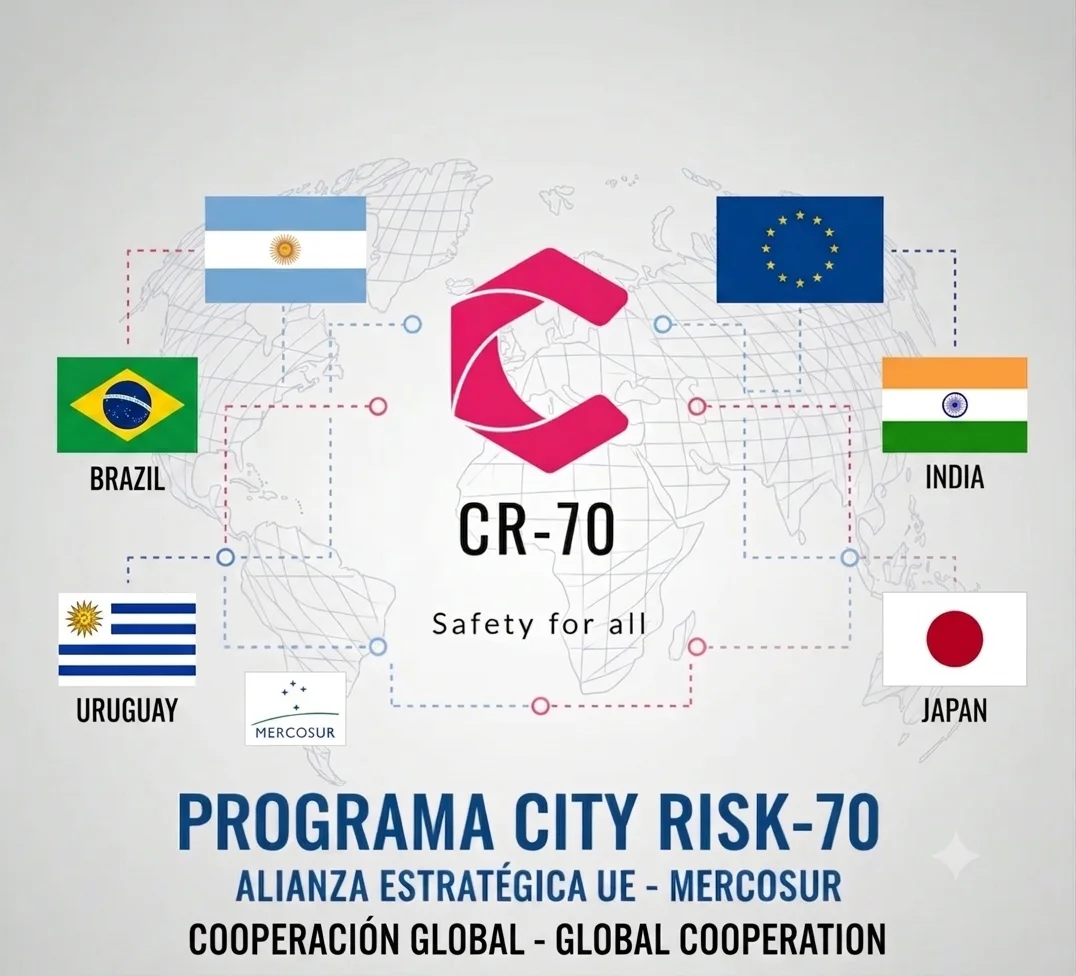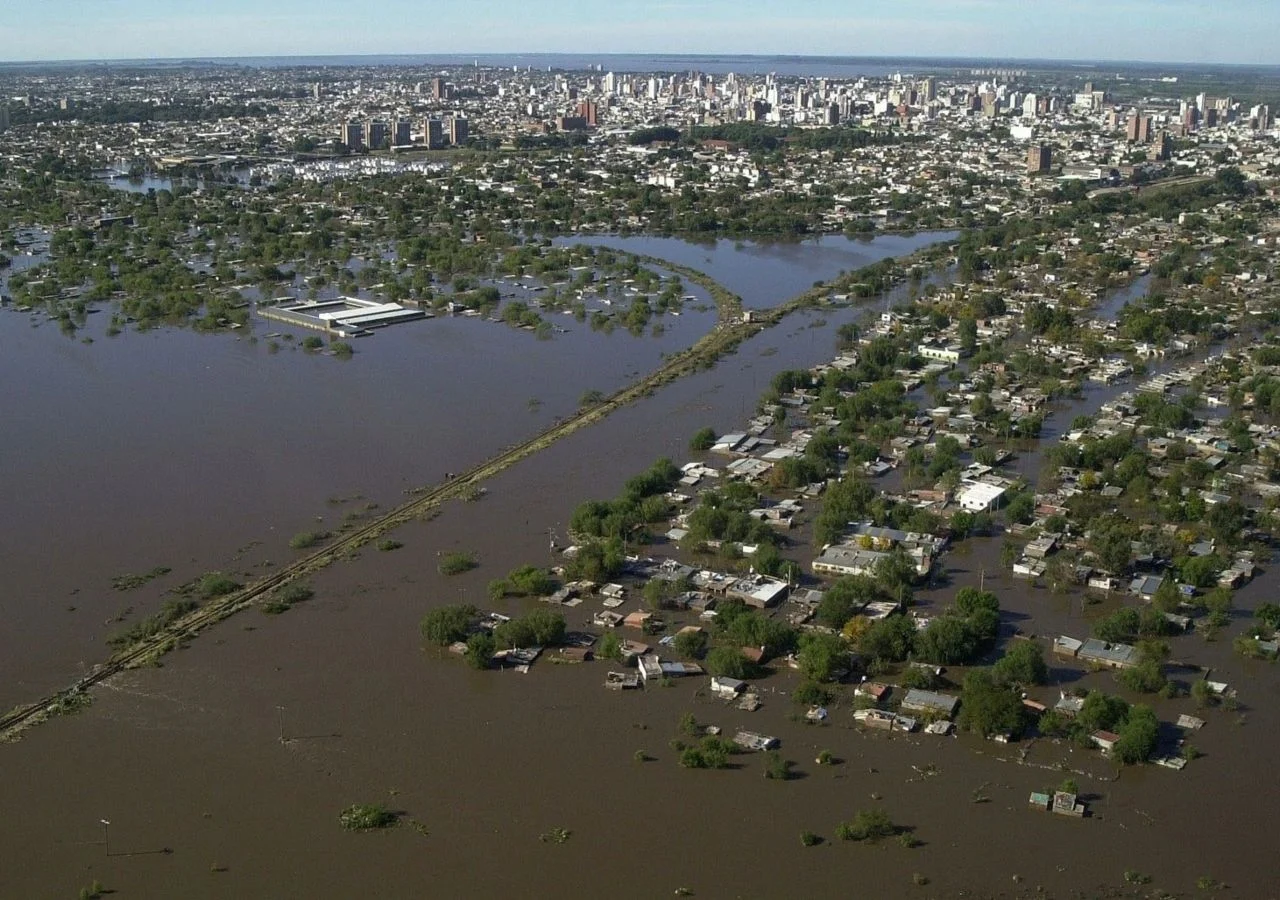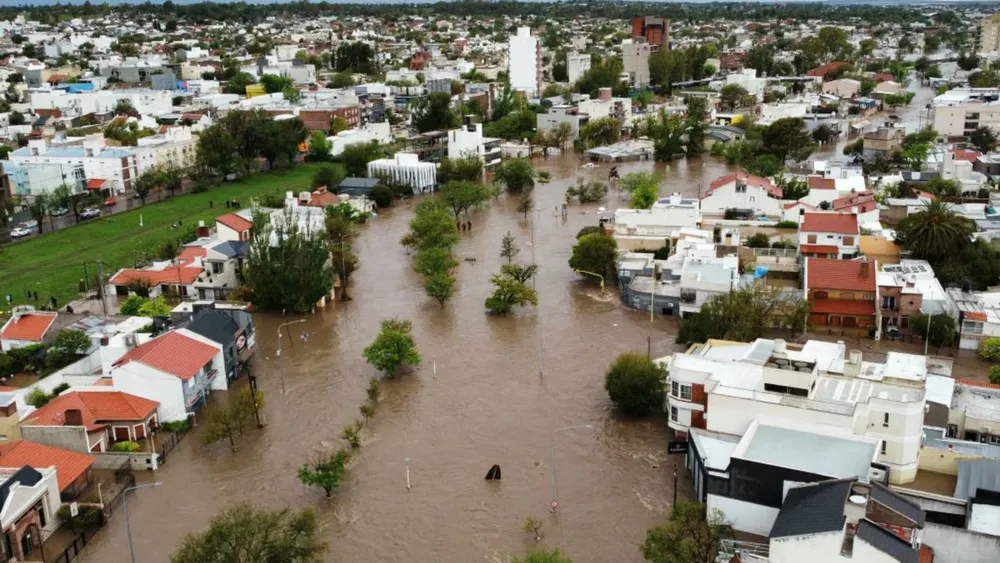
In an era where extreme weather events and systemic operational crises are no longer anomalies but constants, cities have ceased to be mere geographic backgrounds—they are now the true protagonists of global progress. In response to this urgency, dozens of international initiatives have emerged, promising abstract solutions and theoretical frameworks. However, a disruptive proposal born in the Southern Cone is capturing the attention of global experts: the City Risk-70 (CR-70) Program.
​Unlike the traditional approaches that saturate the international circuit—often limited to symbolic agreements or heavily reliant on technical volunteerism—the City Risk-70 Program introduces a radical paradigm shift: connecting urban resilience with a genuine public-private partnership model that generates real revenue for its professionals.
​A Local Focus for Global Momentum
​The success and distinct identity of City Risk-70 are built upon a core principle: true progress is driven from the local level. While grand international summits design macro-strategies that take years to trickle down to the territory, this program intervenes directly at the subnational scale.
​The call for applications is distinctively global, inviting municipalities, regions, and experts from all over the world to participate. However, the program establishes a clear priority: cities facing structural challenges. It is precisely these urban environments—with deeper infrastructure gaps, climate volatility, or budgetary constraints—that most urgently require precision tools to protect their populations and shield their economies.
​Precision Auditing: What Sets City Risk-70 Apart
​Why is this program attracting sharp interest from administrations across Latin America, Europe, Asia, and beyond? The answer lies in its technical and financial rigor:
- ​The 70 Critical Vectors Methodology: Instead of superficial diagnostics, the program implements an exhaustive algorithmic audit evaluating over 70 risk vectors (physical, hydrometeorological, financial, and geopolitical). This converts complex data into actionable intelligence.
- ​From Vulnerability to Bankable Investment: Through tools like the City Risk Lab, the program goes beyond diagnosing problems; it helps local governments structure mitigation projects that are attractive to private capital, leveraging next-generation instruments like trusts, resilience bonds, and public-private partnership (PPP) frameworks.
​Mandated Professionalization: Ending the Technical Volunteer Loop
​The most innovative and attractive pillar for foreign professionals is the structure of the Regional Technical Director role. The program recognizes that achieving sustainable risk mitigation requires the commitment of top-tier local and global talent, and that such commitment must be fairly compensated.
​To ensure this, City Risk-70 develops public-private partnership mechanisms designed specifically so that those who step up as technical leaders in their region earn competitive professional fees, completely steering clear of unpaid volunteer work or uncompensated philanthropy. Technical expertise is treated as a core economic asset integrated directly into the city's infrastructure and resilience projects.
​An Open Invitation to the World
​The City Risk-70 Program proves that urban safety and economic development are not mutually exclusive, but rather two sides of the same coin. Local governments seeking to secure their future and independent technical professionals driven to lead change in their regions have found an unprecedented platform here.
​To join this global ecosystem, learn about the application guidelines, or nominate a region, interested parties can contact the organization directly:
- ​Official Website: www.cr70.org
- ​Contact Email: [email protected]


Corrientes consolida su resiliencia urbana: Firman un convenio estratégico para implementar el Programa City Risk-70


Fortalecimiento resiliente: El programa CR-70 y la transformación de la gestión del riesgo de desastres en los municipios argentinos

Systemic Risk Management and Infrastructure Structuring: City Risk-70 Deploys a New Mitigation Model for Governments and Corporations

El Etiquetado de Riesgo Inmobiliario como Eje de la Resiliencia Urbana: Certezas Técnicas Frente a la Incertidumbre Climática


MENDOZA SE UNE POR LA BASURA: MUNICIPIOS DEL GRAN MENDOZA SE CAPACITAN PARA GESTIONAR SUS RESIDUOS

LA FIRMA DE CAPITAL PRIVADO IG4 CAPITAL ASUME 25.000 MILLONES DE DÓLARES EN REESTRUCTURACIONES EN BRASIL