Environmental Remediation in Ibero-America: Technological Strategies and Evolving Frameworks for Ecological Recovery

Accelerating the Transition from Extractive and Industrial Footprints to Climate-Resilient Infrastructure and Nature-Based Solutions.
Ambiente25 de junio de 2026RNRN

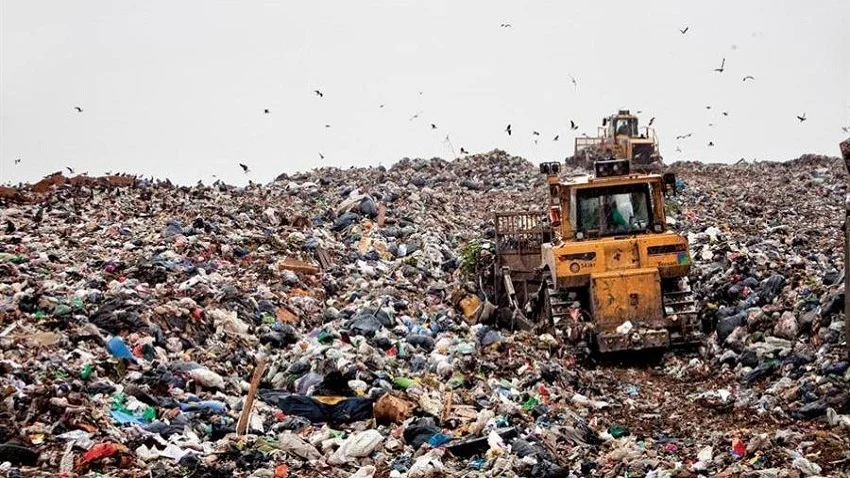
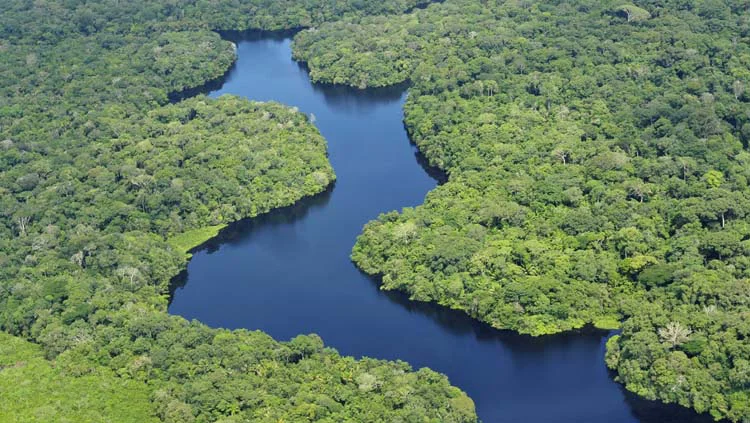
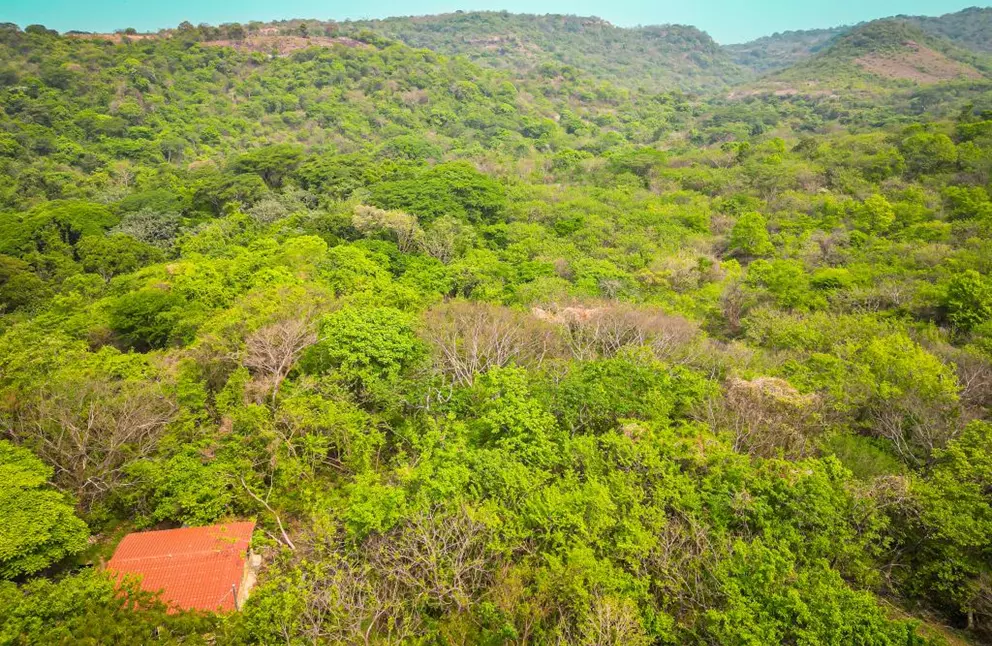
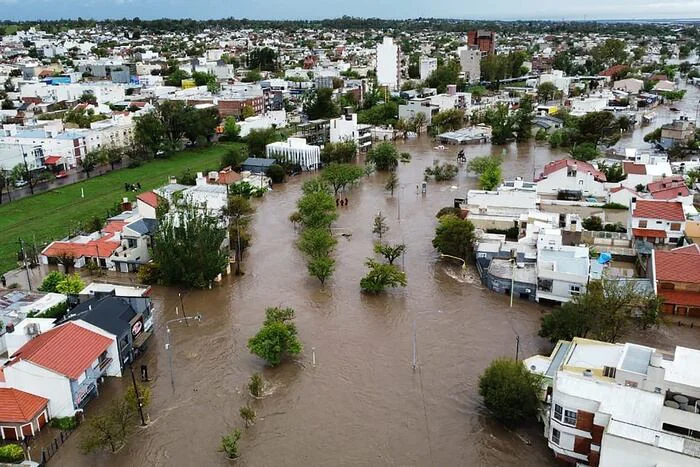
The Ibero-American region faces deep structural environmental challenges driven by rapid urbanization, extensive agricultural expansion, and intensive resource extraction. The degradation of critical ecosystems—ranging from transboundary river basins to dense tropical forests and arid agricultural plains—poses a direct threat to regional biodiversity, water security, and long-term economic resilience. In response, a significant shift in environmental engineering and public policy is underway. Governments and private sectors are increasingly deploying advanced remediation technologies, implementing circular economy models, and designing nature-based solutions to restore degraded landscapes and mitigate industrial impacts.

In Brazil, environmental efforts focus on combating large-scale deforestation in the Amazon and Cerrado biomes, alongside managing the heavy environmental footprints of industrial mining and agriculture. Technical remediation strategies increasingly rely on satellite-driven, real-time monitoring and artificial intelligence to predict soil erosion and track illegal land conversion. In industrial sectors, especially mining, companies are adopting advanced phytoremediation—using specific native hyperaccumulating plants to extract and stabilize heavy metals from contaminated tailings and soils—while expanding large-scale agroforestry systems to restore degraded agricultural frontiers.

Argentina faces distinct challenges related to soil degradation from intensive agriculture in the Pampas and water contamination in highly urbanized basins like the Matanza-Riachuelo. Remediation frameworks here are shifting toward sustainable soil management, utilizing biochar and crop rotation matrices to restore micronutrients and fix carbon in overexploited lands. For urban waterways, the focus is on upgrading municipal and industrial effluent infrastructure, combining bio-digestion technologies with predictive hydrological modeling to control organic and chemical loads before they reach critical aquatic systems.

Chile’s environmental remediation agenda is tightly linked to its dominant mining sector and severe water scarcity challenges in the central and northern regions. The country leads in the implementation of advanced biotechnology, utilizing specialized acidophilic microorganisms for the bio-remediation of copper mining waste and tailing dams. To cope with extreme water stress, Chile is investing heavily in solar-powered desalination plants for industrial use, while simultaneously restoring coastal wetlands and implementing strict regulatory standards to monitor air quality in industrial saturated zones.

Uruguay stands out for its systematic approach to agricultural runoff and the preservation of its water networks. Facing increasing pressure from nutrient loading, particularly phosphorus and nitrogen from intensive livestock and farming, the country has deployed a network of automated, real-time water quality sensors across major basins. Remediation relies on strict enforcement of multi-species buffer strips along riverbanks and the engineering of constructed wetlands to naturally filter agricultural effluents before they enter drinking water reservoirs.

In Mexico, environmental remediation targets severe air and water pollution in massive metropolitan areas and the legacy of hydrocarbon extraction in the Gulf region. Urban centers are scaling up bioclimatic infrastructure and transitioning public transport networks to low-emission matrices. In the energy corridor, remediation efforts utilize advanced bioremediation techniques—such as bio-augmentation and bio-stimulation—introducing specialized bacterial consortia to accelerate the degradation of petroleum hydrocarbons in contaminated soils and coastal mangroves.

Peru focuses its ecological restoration on mitigating the severe impacts of both legal and illegal alluvial gold mining in the Amazonian highlands, which has left behind vast tracts of deforested land heavily contaminated with mercury. Remediation programs combine physical soil stabilization with specific reforestation protocols using native pioneer species capable of growing in nutrient-depleted soils. Additionally, the country is reforming its industrial fishing and manufacturing wastewater protocols along the Pacific coast, enforcing stricter chemical precipitation and filtration standards.

Costa Rica continues to align its remediation and conservation strategies with its national decarbonization goals, focusing heavily on payment for ecosystem services (PES) and connectivity corridors. Technical efforts center on the ecological restoration of degraded cattle pastures into high-carbon-capture tropical forests. In urban and agricultural sectors, the country is a pioneer in shifting toward organic bio-inputs, drastically reducing chemical pesticide footprints, and engineering sustainable urban drainage systems (SUDS) to manage tropical stormwater runoff.

Paraguay focuses its environmental strategies on managing the rapid expansion of its agricultural and livestock frontier, particularly in the Chaco region. Remediation and conservation efforts emphasize the enforcement of legal forest reserves within private properties and the implementation of silvopastoral systems that integrate trees, forage, and livestock to prevent severe soil compaction and wind erosion. On the water front, the country is working on upgrading sanitation and wastewater treatment infrastructure in the capital region to protect the fragile Ypacaraí Lake ecosystem.

Finally, Colombia addresses complex ecological challenges ranging from illegal mining impacts to the degradation of strategic high-altitude ecosystems like the páramos, which are vital for national water supply. Remediation efforts prioritize the strict legal protection and ecological restoration of these alpine wetlands through community-led conservation and the removal of invasive species. In industrial valleys, Colombia is advancing circular economy frameworks, standardizing the co-processing of industrial waste in cement kilns and optimizing closed-loop water recycling systems across the manufacturing sector.

Te puede interesar
Lo más visto