The South Atlantic Awakening: Geopolitics and Risk Management in the New Rare Earth Frontier

Minería & Energia24 de febrero de 2026RNRN
images (65)

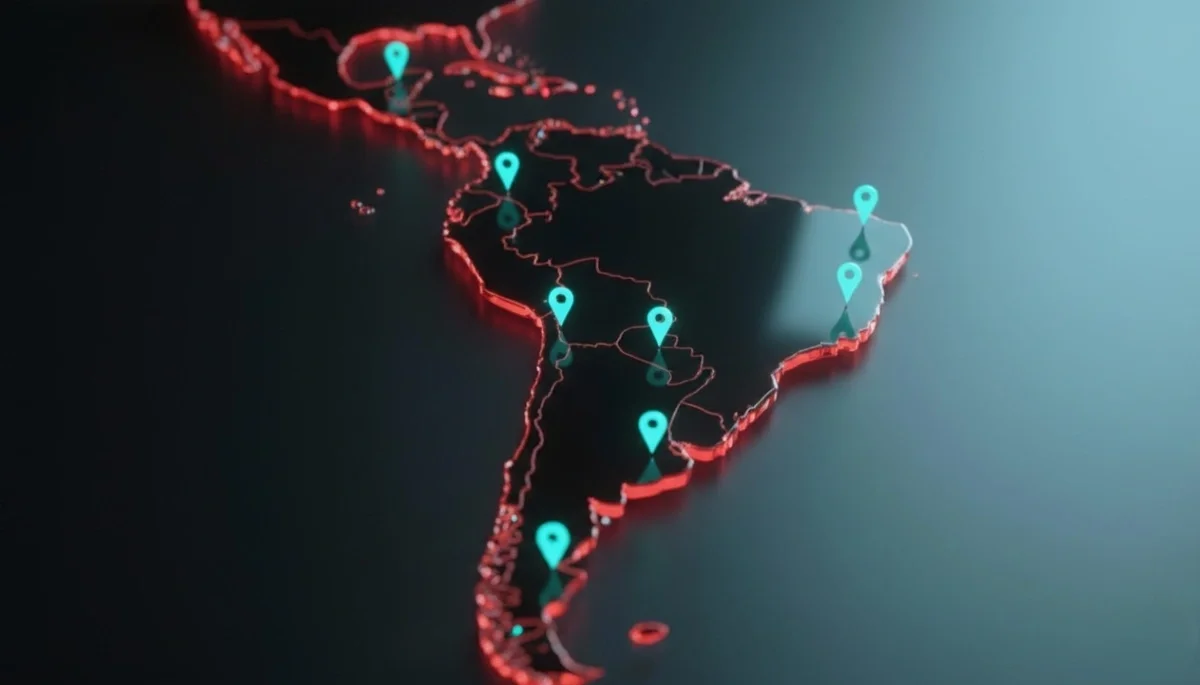
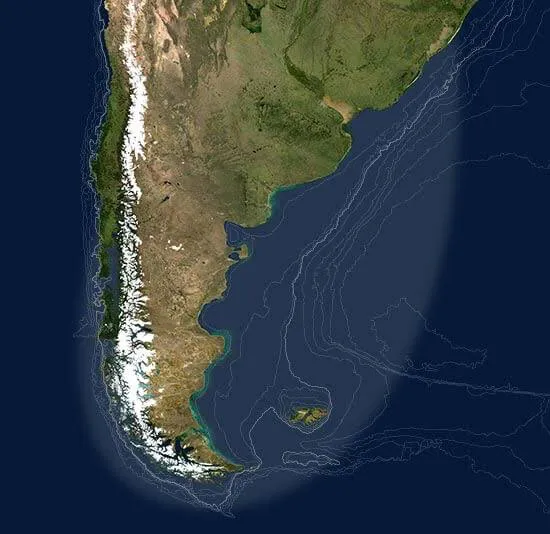
The global race for energy transition and technological supremacy has found a new, high-stakes theater of operations: the South Atlantic. As the world seeks to decouple from the overwhelming dominance of Chinese supply chains, which currently control over 70% of global production and nearly 90% of refining capacity, the South Atlantic emerges not just as a mineral province, but as a strategic corridor of immense geopolitical complexity. The recent identification of rare earth element (REE) potential in the region, particularly along the South American continental shelf and inland basins, necessitates a sophisticated risk management framework that transcends traditional mining logistics to address structural vulnerabilities in global trade and national security.

​The economic gravity of this "new frontier" is driven by a vertiginous increase in demand for elements such as neodymium, praseodymium, dysprosium, and terbium. According to recent projections, the consumption of these critical minerals could quadruple by 2050, fueled by the expansion of electromobility and renewable energy infrastructures like offshore wind farms. For the South Atlantic region—encompassing the vast maritime and terrestrial jurisdictions of Argentina and Brazil—this demand presents a dual-edged sword. While the geological potential is extraordinary, with Brazil holding estimated reserves of 21,000 kilotons and Argentina identifying strategic deposits across multiple provinces, the path to production is fraught with technical and environmental risks, including the management of radioactive byproducts like thorium and uranium often associated with REE deposits.

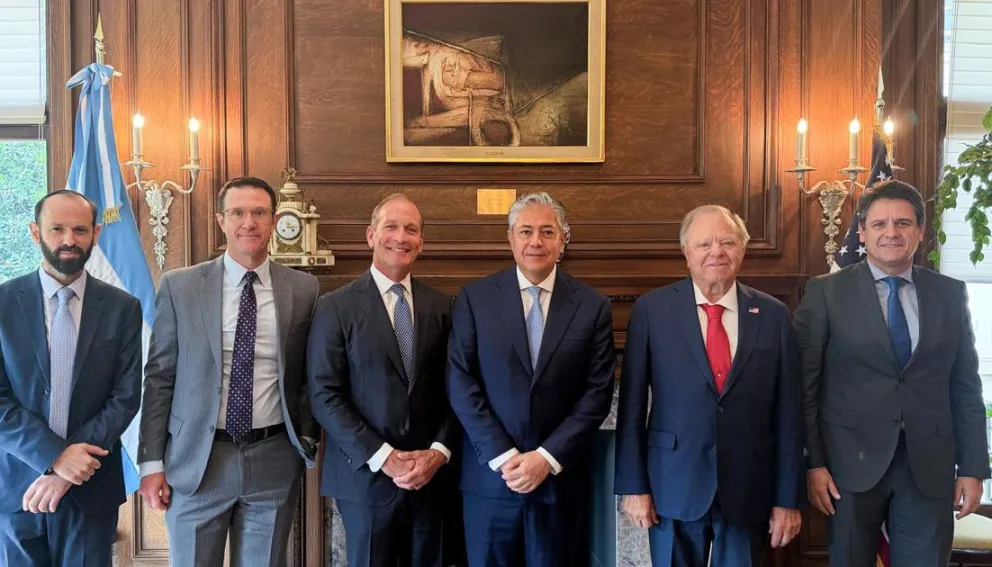
​From a geopolitical perspective, the exploitation of the South Atlantic’s rare earths represents a direct challenge to the current monocentric supply chain model. Western powers, led by the United States and the European Union, are increasingly viewing South America as a vital partner in the "friend-shoring" of critical minerals. This shift introduces a layer of diplomatic risk, as regional governments must balance the influx of Western capital and technology with their existing commercial ties to China. The strategic management of these resources is no longer a matter of simple extraction but a pivot point in the technological and commercial dispute between global superpowers. Consequently, the South Atlantic is being reconfigured into a "geopolitical board" where mineral sovereignty becomes a primary tool for international leverage.

​Risk management in this sector must also address the extreme concentration of processing capabilities. The South Atlantic’s potential will remain largely symbolic unless the region can bridge the gap between extraction and high-value industrialization. Controlling the refinement process is the true "bottleneck" of the industry; without local capacity to separate and purify these elements, South American nations risk remaining mere exporters of raw materials, maintaining their vulnerability to price volatility and external supply shocks. This necessitates a long-term economic strategy that integrates infrastructure development, specialized labor, and robust institutional frameworks to attract the intensive capital required for deep-water and complex terrestrial mining.

​Furthermore, the environmental and social risks inherent in REE exploitation cannot be understated. The South Atlantic ecosystem is a sensitive maritime frontier, and the "offshore" expansion of mineral exploration brings unprecedented challenges to marine biodiversity and coastal governance. A sustainable risk management approach must incorporate rigorous ESG (Environmental, Social, and Governance) standards to prevent the "resource curse" and ensure that the wealth generated contributes to regional stability rather than social friction. As the South Atlantic awakens to its role as a critical mineral provider, the ability of its nations to manage these multi-dimensional risks will determine whether the region becomes a resilient pillar of the new global economy or remains a peripheral actor in the shadows of the great powers.

Te puede interesar
Lo más visto