
The Hormuz Equilibrium: Navigating Structural Volatility in a Fractured Global Order
Strategic Resilience and the Architecture of Agility in an Era of Persistent Maritime Disruption.
 RN
RNThe effective closure of the Strait of Hormuz in 2026 has transitioned from a high-probability tail risk to a systemic operational reality, forcing a radical reassessment of corporate management paradigms. As nearly 20 million barrels of oil and a significant portion of the world’s liquefied natural gas remain bottlenecked behind the narrowest throat of global trade, the corporate world is no longer facing a temporary disruption but a fundamental realignment of the global economic map. For C-suite executives, the challenge is no longer merely tactical. It requires a 360-degree management shift toward "structural agility," where the ability to simulate and pivot in real-time outweighs the traditional reliance on historical forecasting. Modern management must now treat the Persian Gulf’s instability not as an isolated incident, but as the primary catalyst for a dual-shock era defined by energy-driven inflation and intensifying protectionist trade policies.
Strategic resilience in this environment begins with the urgent deployment of advanced supply chain simulations that account for the permanent loss of maritime efficiency. Legacy models built on the "just-in-time" philosophy are collapsing under the weight of 500% spikes in air freight costs and the withdrawal of war-risk insurance for Gulf transits. Corporate leadership must prioritize the creation of digital twins and AI-driven scenario planning to identify "single points of failure" within their Tier 2 and Tier 3 suppliers, particularly those in the semiconductor and pharmaceutical sectors currently stranded in regional hubs. The mandate for management is clear: preserve margins by shifting from centralized control to decentralized intelligence, diversifying routes toward the Cape of Good Hope or Central Asian land corridors, and accepting higher inventory carrying costs as a necessary premium for continuity.
The geopolitical dimension of this crisis further complicates the management landscape, as the energy shock intersects with an increasingly rigid global tariff environment. In the United States and Europe, the inflationary pressure from $100-plus Brent crude is colliding with pre-existing trade barriers, creating a "compounding protectionism" effect. While American and European managers grapple with the rising cost of refined fuels and transportation, they must also navigate a trade climate where tariff increases are being used as tools of national security, further inflating the landed cost of goods. Simultaneously, Asian economies—historically the primary beneficiaries of Hormuz-transiting energy—are facing a contraction of industrial output. China and India, which rely on the Strait for nearly half of their oil imports, are seeing their manufacturing competitive advantages eroded by astronomical energy surcharges and logistics delays, potentially triggering a regional GDP slowdown that will ripple back to Western markets in the form of diminished demand and broken electronics value chains.
Ultimately, the defining question for the current generation of executives is whether this represents a temporary inflationary spike or a permanent shift into an era of persistent uncertainty. Evidence suggests the latter. We have entered a stage where "uncertainty is structural," and the "Hormuz premium" is becoming embedded in every financial derivative and long-term contract. Management must prepare for a medium-term horizon where interest rate cuts are indefinitely deferred as central banks struggle to contain energy-injected inflation. To thrive, organizations must move beyond reactive crisis management and adopt a posture of continuous adaptation, where the ability to operate within high-volatility environments becomes a core competency. The era of predictable integration is over; the era of the resilient, multi-regional, and geopolitically-aware enterprise has begun.
Lo más visto
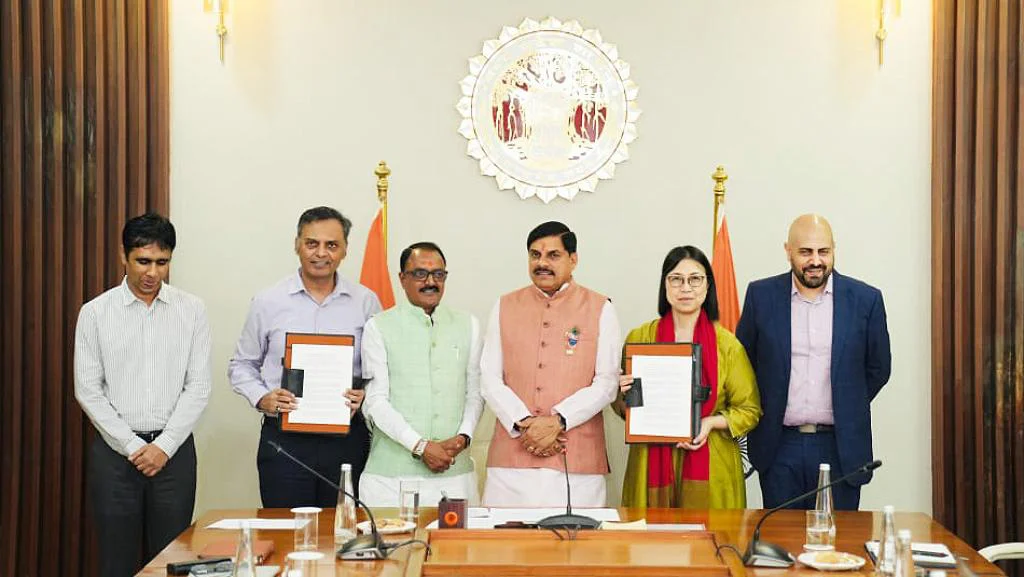
El ADB impulsa el desarrollo de proyectos de energía renovable bajo la modalidad PPP en Madhya Pradesh
RN
Finanzas sostenibles07 de septiembre de 2026Una alianza estratégica clave para movilizar hasta $1.000 millones en inversión privada y consolidar la transición energética en India.
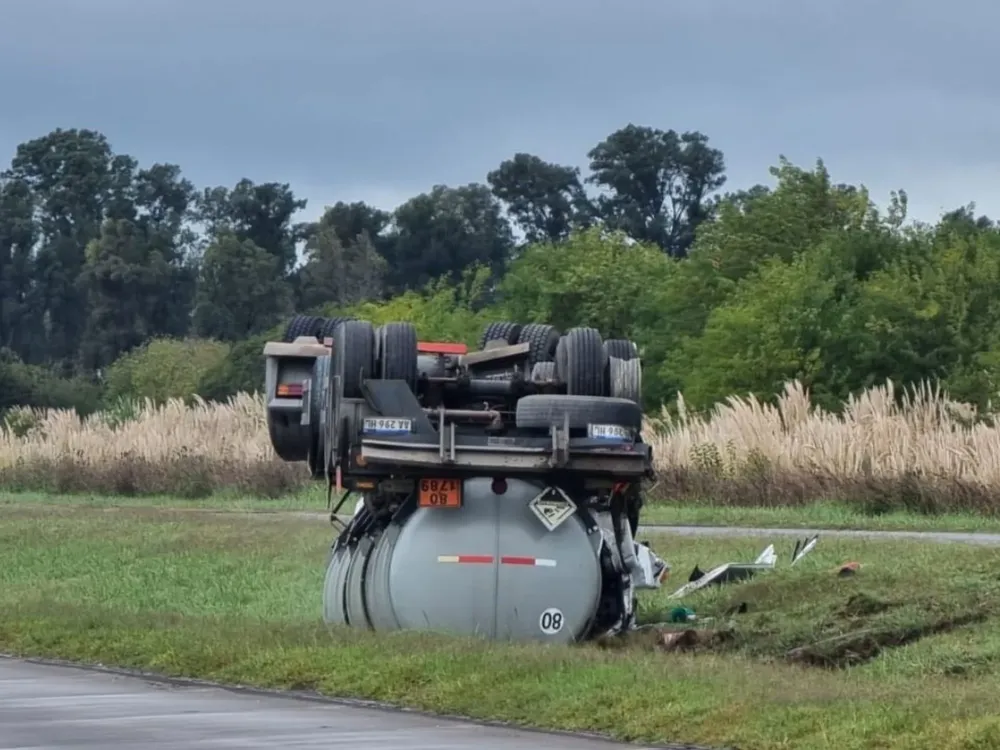
La Trampa del Riesgo Oculto: Desidia Normativa, Cargas Peligrosas y la Supervivencia Municipal en Argentina
RN
Comunidades Seguras07 de septiembre de 2026Atrapados entre rutas nacionales ajenas al poder comunal, normativas federales obsoletas, franquicias de seguros especulativas y la precariedad de los cuarteles, los municipios argentinos asumen en soledad y sin recursos una tragedia anunciada ante cada accidente químico en sus ejidos urbanos.

Convocatoria nacional: Buscan incorporar 1.500 hectáreas a una red de suelo industrial con certificación hidrológica y ambiental
RN
Real Estate Risk11 de septiembre de 2026El programa City Risk-70 del Foro de las Américas abrió la recepción de antecedentes para 50 municipios de todo el país. La iniciativa articula un Banco de Terrenos con incentivos fiscales y garantías financieras para frenar la tenencia especulativa y facilitar la radicación de plantas productivas en parques e industrias regionales.
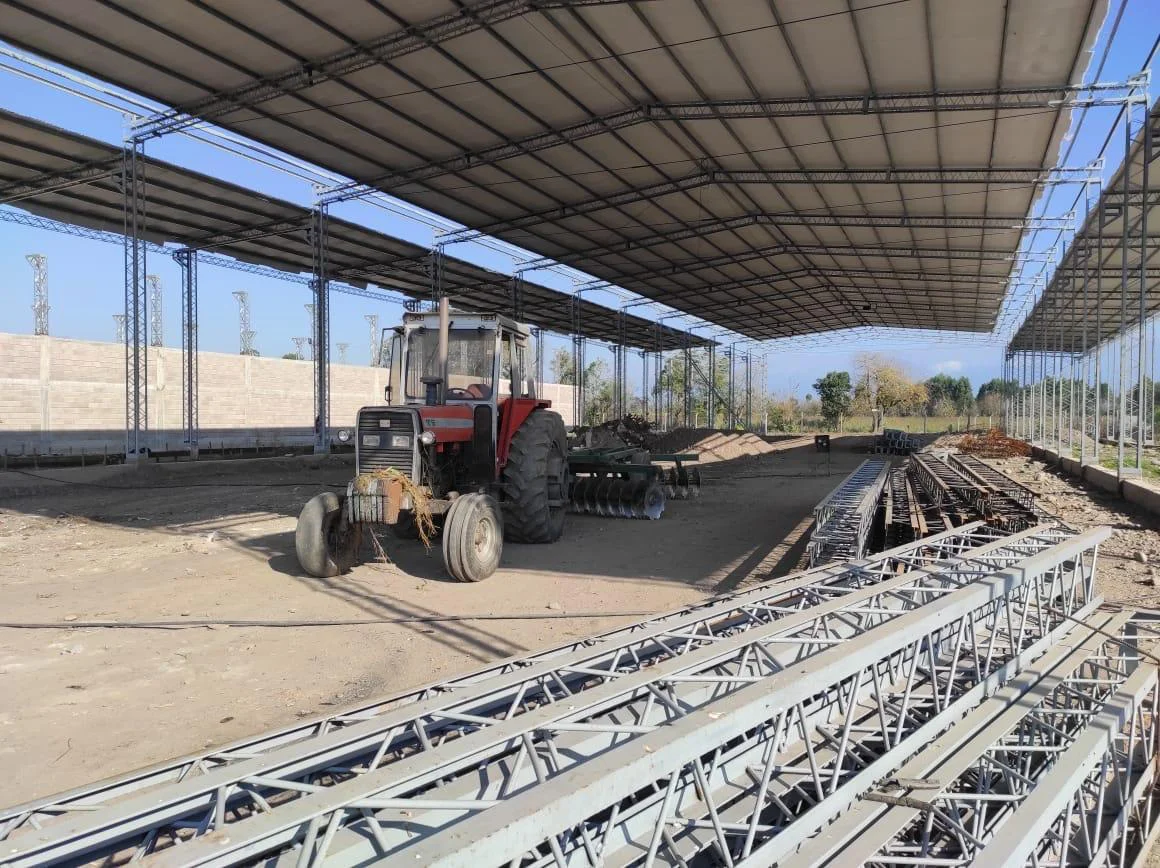
El Parque Agroindustrial Famaillá se posiciona como el nuevo hub logístico del Norte Argentino
RN
Real Estate Risk12 de septiembre de 2026Con 18 hectáreas urbanizadas, incentivos fiscales por diez años y una ubicación clave sobre la Ruta Nacional 38, el predio tucumano busca convertirse en la plataforma de articulación para la agroindustria y la minería del NOA