Fuel-Depleted Hubs: The Looming Paralysis of Global Maritime Trade
Logística y Transporte16 de marzo de 2026 RN
RNThe global maritime landscape is teetering on the edge of a systemic collapse as the escalating conflict in the Middle East enters a critical phase. Since late February 2026, the Strait of Hormuz—the world’s most vital energy artery—has seen traffic plunge to near-zero levels following sustained military engagement. This is no longer a localized disruption; it is an existential threat to the "just-in-time" logistics model that sustains the global economy. If the current blockade and the resulting depletion of bunker fuel reserves at strategic transshipment hubs persist for another two weeks, an unprecedented surge in global prices will become inevitable, fueled by a structural paralysis of the maritime supply chain.
From a technical risk management perspective, the crisis has exposed a catastrophic vulnerability: the lack of "spare capacity" in global maritime infrastructure. While previous disruptions, such as the Red Sea crisis, allowed for diversions around the Cape of Good Hope, the current situation in the Persian Gulf offers no such luxury for the 20% of the world's oil and 25% of its liquefied natural gas (LNG) that transit through Hormuz. Global ports are beginning to face "fuel-starvation," where the scarcity of Very Low Sulfur Fuel Oil (VLSFO) and Marine Gas Oil (MGO) is forcing carriers to either anchor indefinitely or bypass critical regional hubs. The 360-degree risk profile suggests that the inability to substitute these maritime routes is not merely a matter of distance, but of infrastructure saturation at alternative ports like Colombo, Singapore, and Salalah, which are already operating at peak capacity and cannot absorb the diverted volume of the entire Gulf fleet.
For local and regional governments, the window for reactive measures has closed; the requirement now is the immediate activation of an Integrated Risk Management (IRM) framework. A comprehensive backup scheme must prioritize three pillars: strategic energy autonomy, multimodal corridor activation, and "war-risk" fiscal cushioning. Regional authorities must move beyond traditional contingency planning and implement a "360-degree backup" that includes the release of strategic petroleum reserves specifically for the maritime sector to prevent a complete halt in essential goods. Furthermore, governments must subsidize alternative land-bridge and air-freight corridors to alleviate the pressure on saturated maritime gateways, acknowledging that these alternatives, while more expensive, are the only buffer against a total supply chain "cardiac arrest."
As Brent crude hovers near $126 per barrel and shipping lines impose emergency "conflict surcharges," the economic arithmetic is clear: the cost of inaction will far exceed the cost of strategic intervention. The next fourteen days will determine whether the global economy faces a managed slowdown or a chaotic breakdown. Governments and private stakeholders must now treat maritime infrastructure as a national security priority, investing in long-term resilience and alternative fuel sourcing to mitigate the inherent uncertainty of a world where critical chokepoints can be closed overnight.
Te puede interesar
Tensión Sino-Japonesa: El Pulso Geopolítico por la Hegemonía Militar y el Control de las Cadenas Globales de Suministro
RN
Logística y Transporte22 de julio de 2026Detrás del conflicto diplomático en el Indo-Pacífico se esconde una disputa estratégica por las rutas marítimas vitales, los insumos tecnológicos críticos y la infraestructura logística global.
Geopolítica Energética y Riesgo Logístico: La Doble Pinza que Asfixia a los Mercados Emergentes
RN
Logística y Transporte20 de julio de 2026La Fragilidad del Tablero Energético Global.
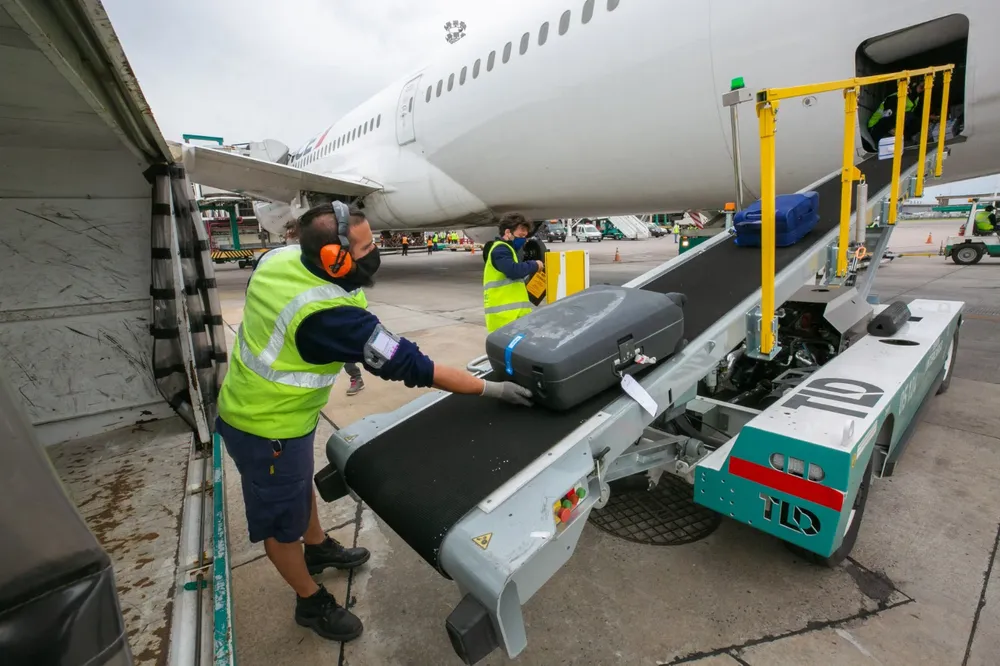
Cielos Abiertos en Tierra: El Gobierno Argentino suma un nuevo operador de rampa y ya son 15 las empresas habilitadas
RN
Logística y Transporte16 de julio de 2026Con la incorporación de Argentina Ground Support S.A., la Secretaría de Transporte profundiza la desregulación del servicio de rampa en el país. Qué cambia en las pistas y cómo se posiciona la Argentina frente a los competitivos modelos de Brasil y Chile.
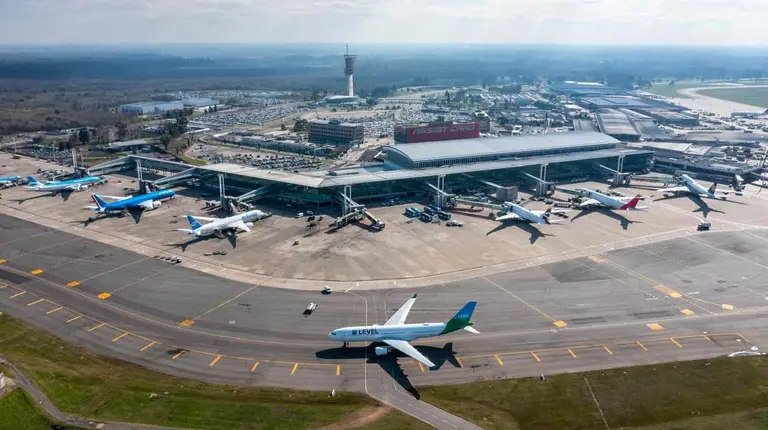
Hacia el Cielo Único Sudamericano: El Impacto Geopolítico, Operativo y Financiero del Acuerdo ALAS
RN
Logística y Transporte16 de julio de 2026La firma del Acuerdo de Liberalización Aérea Sudamericana por parte de Argentina, Brasil, Chile y Paraguay representa el cambio regulatorio más profundo en décadas. Analizamos los desafíos de soberanía, las masivas oportunidades económicas y el impacto crítico en la gestión y aseguramiento de riesgos aeronáuticos.
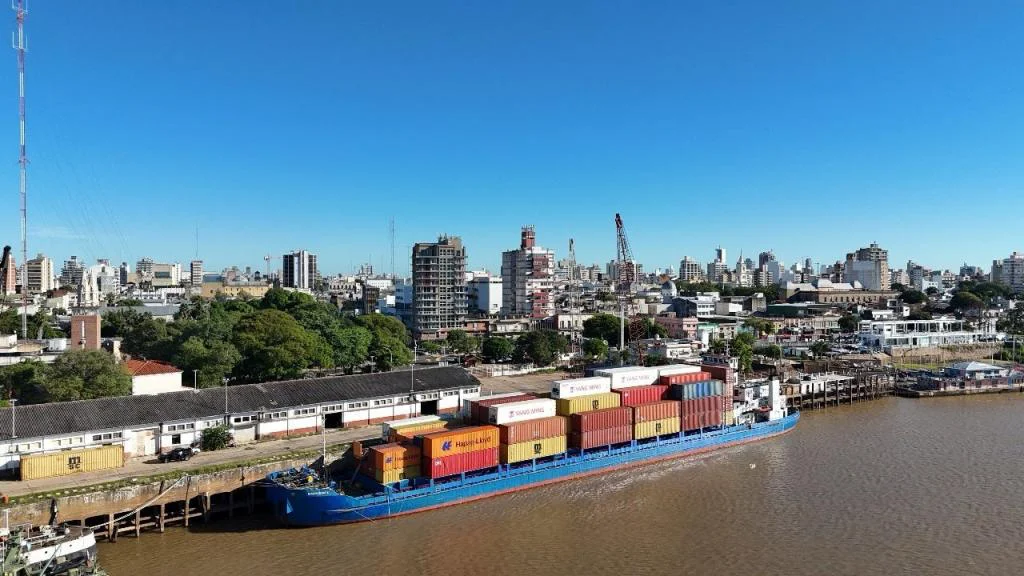
El Super Niño en la Cuenca del Plata: La carrera tecnológica de los puertos fluviales para evitar el colapso logístico
RN
Logística y Transporte12 de julio de 2026Frente a proyecciones meteorológicas extremas para el ciclo 2026/2027, el polo agroexportador del Gran Rosario y la Hidrovía reconfiguran su infraestructura, contratos de seguro y cadenas de suministro ante el riesgo inminente de inundaciones y sedimentación acelerada.
Lo más visto

Paradigmas en el Escalamiento Financiero: De la Innovación Territorial a la Inversión Estructurada
Peter Sundheimer
Finanzas sostenibles27 de julio de 2026Frente a la creciente brecha de infraestructura en América Latina, la integración de garantías de primera pérdida, financiamiento combinado y esquemas de transferencia de riesgo se consolida como la clave para transformar proyectos piloto locales en activos financiables de gran escala.
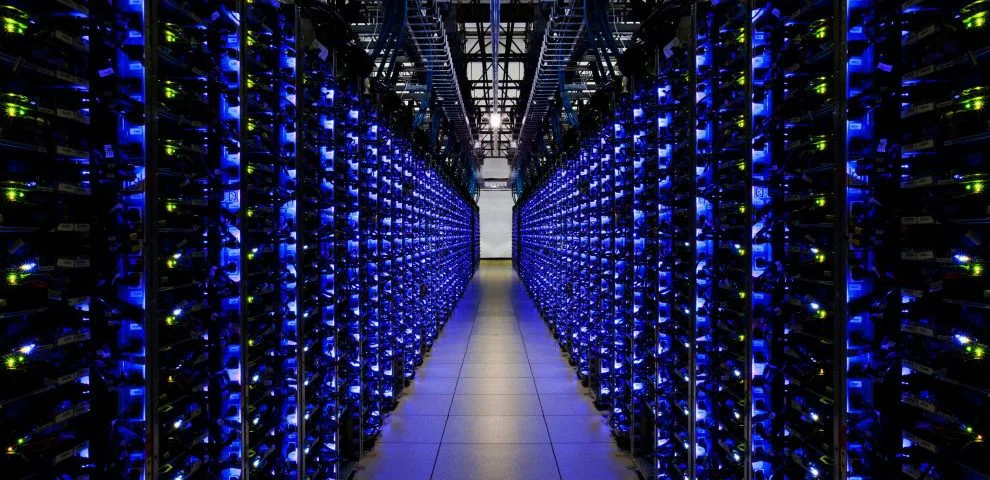
La paradoja del auge digital: El estrés hídrico de la infraestructura de datos y la transición hacia la refrigeración líquida
RN
Ciencia e Innovación27 de julio de 2026El crecimiento acelerado de la inteligencia artificial y el procesamiento intensivo exige repensar los modelos térmicos tradicionales ante la escasez crítica de agua dulce y las eventualidades climáticas extremas.
Innovación en métricas territoriales y corporativas: el portal Risk News lanza rankings dinámicos junto al Foro de las Américas
RN
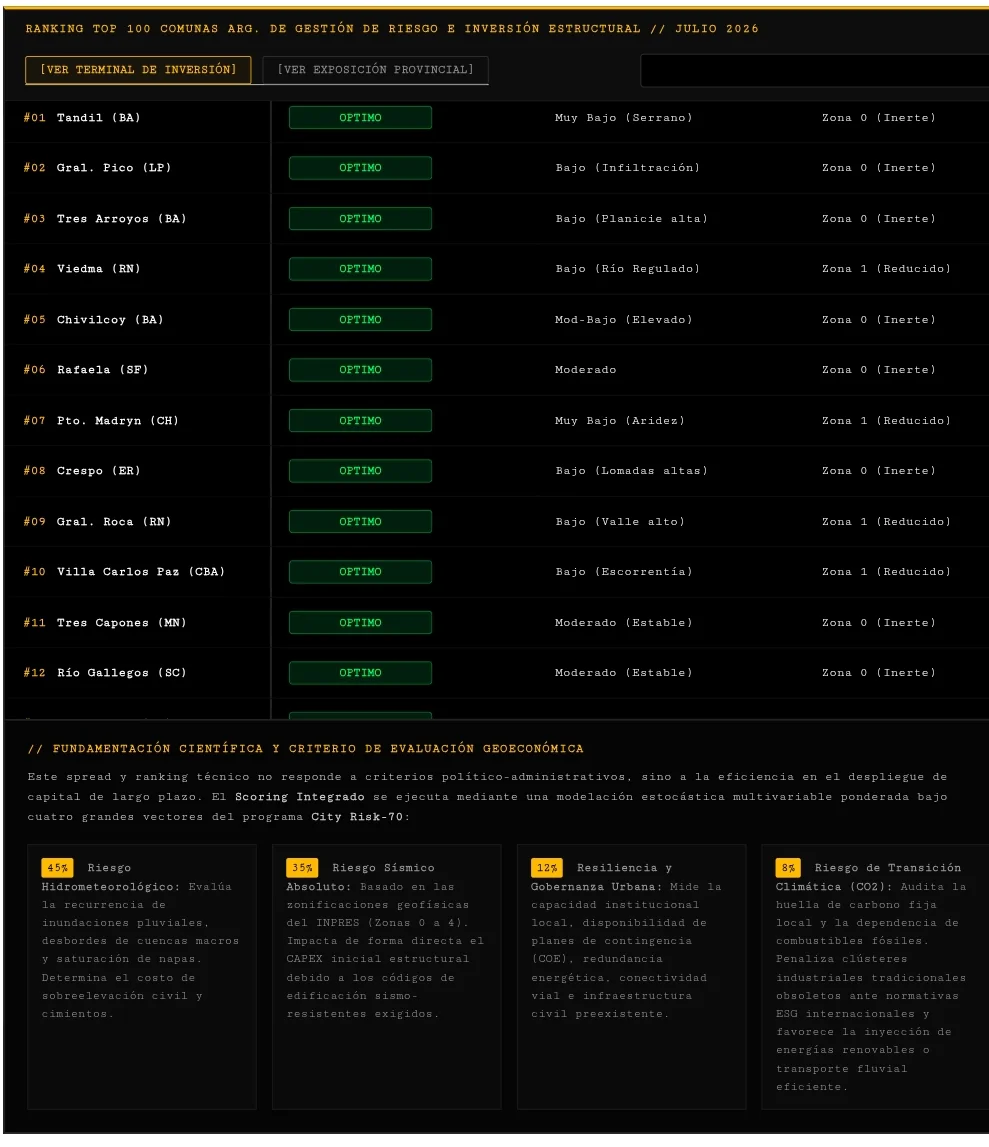
Ciencia e Innovación27 de julio de 2026La plataforma desarrollada en el marco del Programa City Risk-70 introduce un modelo analítico interactivo que actualiza mensualmente el desempeño de empresas iberoamericanas, ciudades para la inversión y parques industriales en Argentina.

El experimento de frenar la inmigración en el Reino Unido: Lecciones de riesgo operativo y económico para 2026
RN
Gestión de Riesgos Migratorios27 de julio de 2026A mediados de 2026, el desplome del 81% en la migración neta británica tras las severas restricciones impuestas muestra el lado oscuro de la soberanía fronteriza: escasez crítica de talento, quiebra de universidades y parálisis operacional en el sector asistencial.