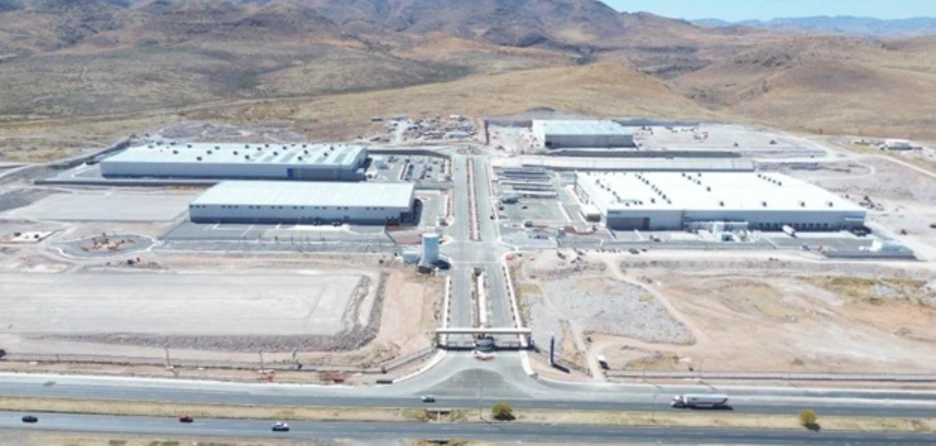
Algorithmic Uncertainty and Systemic Vulnerability: The Silent Crisis of Asian-Origin Mobility Assets
The Collapse of Risk Underwriting Models: How Software Opacity and Aftersales Fragility Redefine the True Cost of Chinese Electric Vehicles.
 RN
RNThe massive influx of Chinese-manufactured vehicles into Western markets has triggered an unprecedented distortion in the operational cost structure for the end consumer, shifting the focus from initial investment toward a high-complexity deferred financial burden. While the conventional narrative has centered on the disruption of physical component supply chains—where the lack of local logistical nodes prolongs technical immobilization times and drives up replacement premiums—the true vector of instability lies in the digital architecture and cybersecurity ecosystem. Currently, insurance companies are facing an actuarial "blind spot" stemming from the closed and centralized nature of the software governing these units. Unlike the modular European or North American platforms, which allow for more transparent risk auditing, the systems integrated into the new Service-Oriented Architectures (SOA) of Asian firms operate with data transmission protocols that, in 90% of cases, are directed to remote servers outside Western jurisdiction. This structural opacity makes it impossible to validate system integrity following an incident, as the inability to audit source code or predict vehicle resilience against denial-of-service attacks or Electronic Control Unit (ECU) manipulation prevents actuaries from assigning a technically and financially sustainable failure probability.
This scenario of systemic vulnerability has caused the insurance combined ratio—the relationship between claims paid and premiums collected—to exceed 100% in many cases, transforming the coverage of these vehicles into a loss-making activity. The problem is exacerbated by the software update cycle via Over-the-Air (OTA) technology, which allows manufacturers to modify critical active safety and Advanced Driver Assistance Systems (ADAS) functions remotely and without immediate regulatory oversight. From a risk management perspective, a non-audited firmware update can alter a vehicle's kinematic profile overnight, invalidating previously calculated loss models. Faced with the impossibility of certifying hardware cybersecurity and data traceability, the insurance sector has begun applying preventive risk premiums that, in mature markets such as Europe or the UK, already double the policy costs of equivalent models from traditional manufacturers. Consequently, the nominal savings obtained at the point of purchase are quickly diluted by a maintenance structure where the scarcity of physical spare parts is merely the most superficial layer of a deeper issue: the lack of a cybersecurity infrastructure and approved technical support that guarantees the long-term viability of these assets within the Western economic fabric.
Te puede interesar
Sunoco LP define la fecha para sus resultados del segundo trimestre de 2026
RN
Mundo Corporativo03 de julio de 2026La distribuidora de combustibles y firma de infraestructura energética presentará sus balances el próximo 4 de agosto antes de la apertura del mercado.

Shell vende su participación en la plataforma Na Kika por 1.700 millones de dólares en una jugada estratégica clave para su portafolio
RN
Mundo Corporativo03 de julio de 2026La multinacional reestructura su portafolio en aguas profundas y traspasa sus pasivos de desmantelamiento en una operación de 1.700 millones de dólares.

Lo más visto


El impacto de la política proteccionista de EE.UU. a Brasil: Reestructuración y Hoja de Ruta para el Mercosur
RN
Economía16 de julio de 2026Análisis técnico de los desafíos macroeconómicos derivados de la Sección 301, identificación de oportunidades y recomendaciones de política comercial integrada.



Gestión de Riesgos y Transición Energética: El Desafío de los Cinco Proyectos de Uranio en Mendoza frente al Cambio Climático
RN
Minería & Energia19 de julio de 2026Viabilidad financiera, adecuación logística y resiliencia climática en la minería de uranio