
The Resilience Refuge: Argentina as a Strategic Asset in the Global Sustainability Map
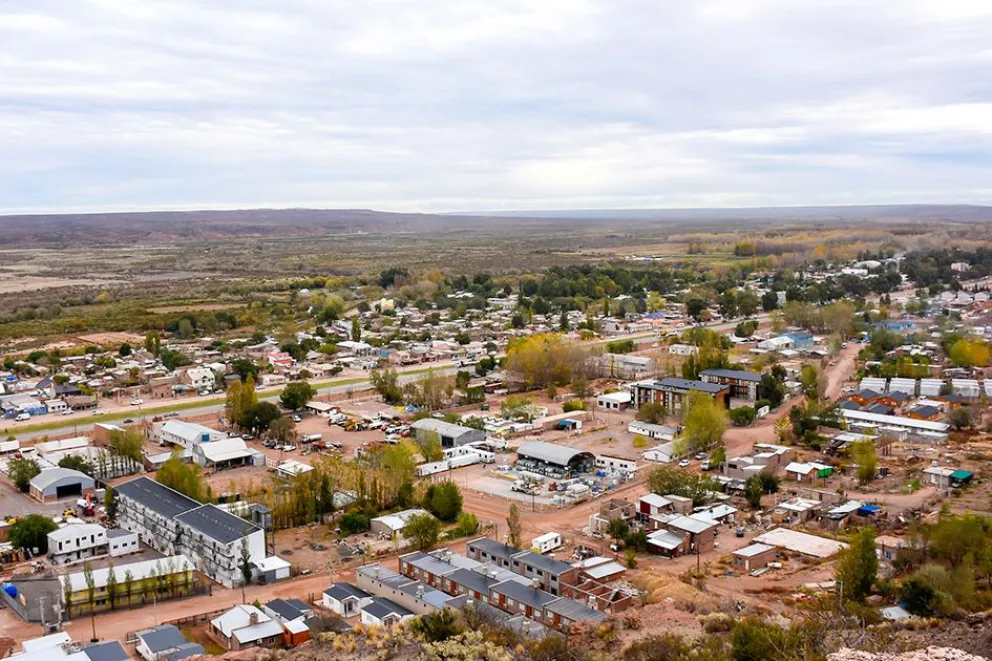
RNIn the current configuration of the international order, characterized by fragmented supply chains and hydric-alimentary stress, the evaluation of national assets must transcend cyclical macroeconomic risk analysis. Argentina presents itself today not merely as a nation seeking stability, but as a critical reservoir of biosphere and resources that, under a long-term investment logic, offers a unique multidimensional rate of return for the global community. While developed economies face diminishing returns and unsustainable demographic pressure on basic resources, Argentine geography proposes a structural expansion space that redefines the concept of sovereign investment.
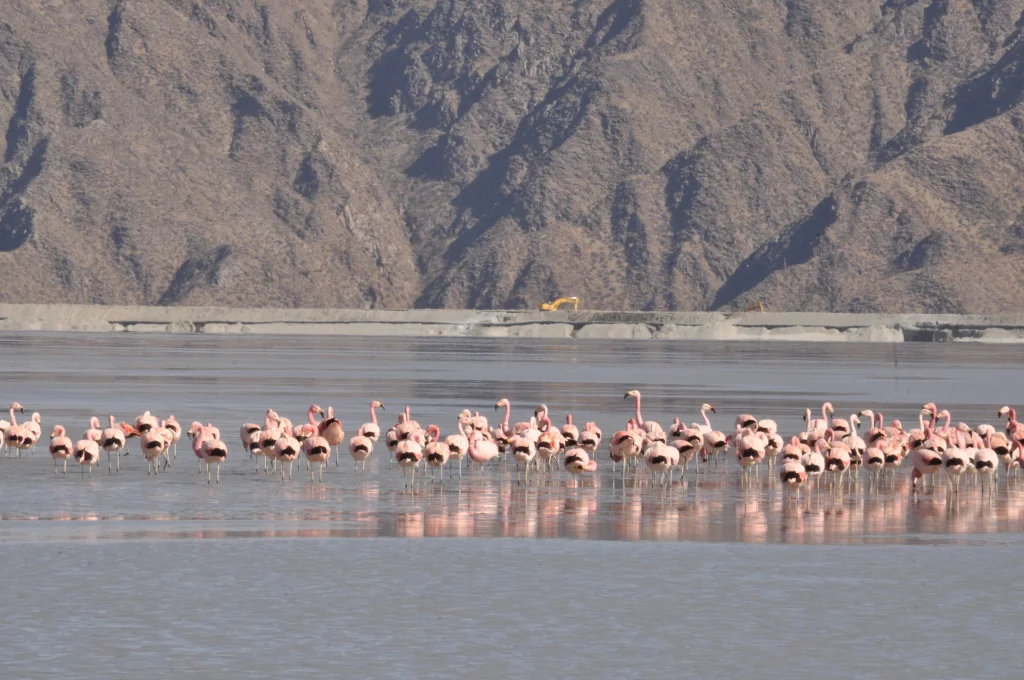
The country's comparative advantage begins with its natural resource matrix, whose diversity is not simply a statistic but a life insurance policy for world trade. Argentina possesses one of the most efficient expanses of arable land on the planet, sustained by a network of watersheds that guarantees food security in a context of accelerated climate change. However, the technical value lies not only in the export of commodities, but in the potential for vertical integration: the capacity to transform biomass and strategic minerals—such as lithium and copper—into essential components for global decarbonization. Investing in Argentina today means positioning oneself at the source node of the materials that will sustain 21st-century infrastructure, taking advantage of a low population density that allows for industrial and agricultural development without the saturation externalities stifling Europe or Asia.
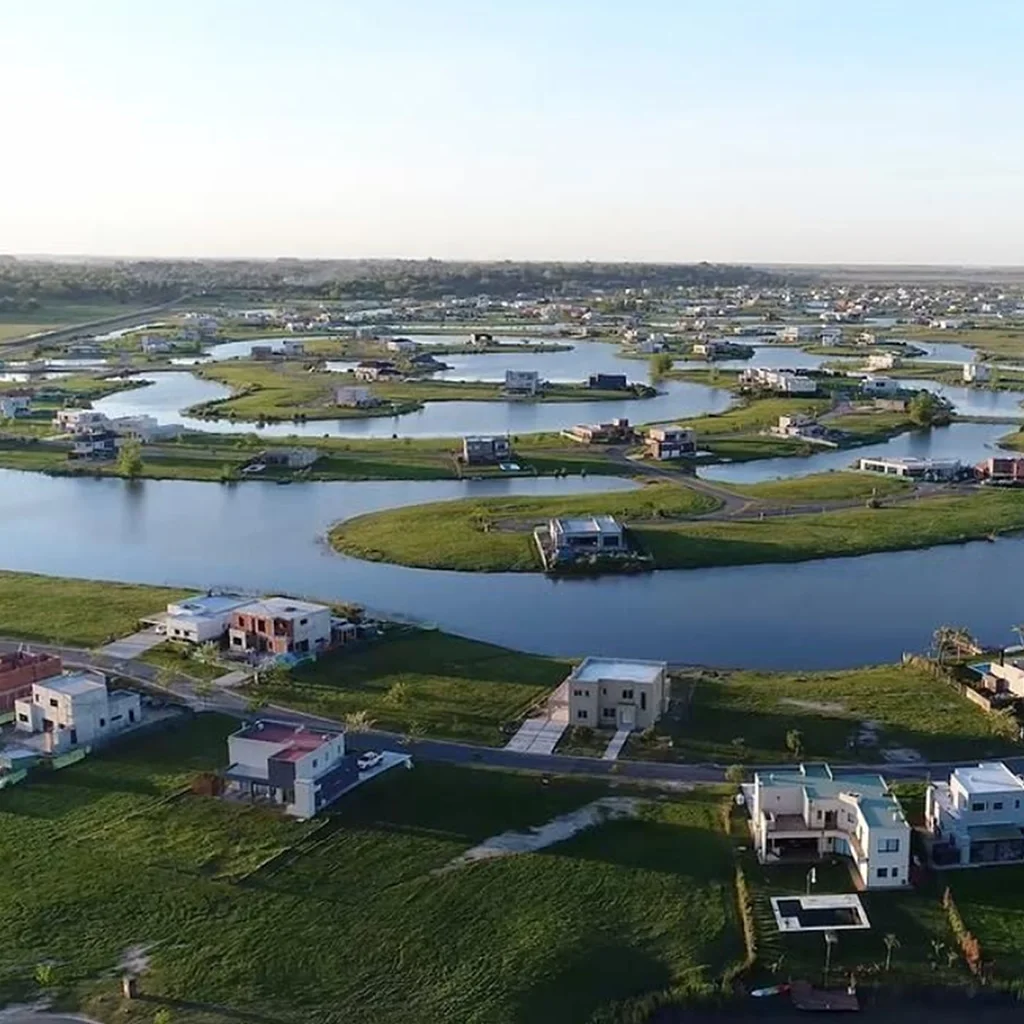
From a residential sustainability perspective, the vastness of Argentine territory offers a technical solution to global demographic displacement. Unlike regions that have reached their ecological carrying capacity, Argentina maintains a capacity for immigration absorption that is, historically, part of its institutional DNA. This physical space, combined with pre-existing urban infrastructure and a skilled human capital base, allows for the projection of resilient human settlements and decentralized productive hubs. The possibility of hosting migratory flows should not be viewed as a welfare challenge, but as the incorporation of labor force and cognitive diversity into a territory that demands scale to activate its full economic potential.
It is imperative to recognize that this investment thesis coexists with political and economic volatility that often deters short-term capital. Nevertheless, technical risk analysis suggests that Argentina's geophysical fundamentals and geopolitical position—remote from major global military conflict zones and endowed with natural strategic neutrality—act as a solid counterweight to institutional instability. Argentina's cyclical crises tend to obscure an underlying reality: the replacement value of its natural infrastructure and its energy generation potential (wind in Patagonia, solar in the North, and the vast Vaca Muerta field) is immensely superior to its current financial valuation.
In conclusion, betting on Argentina requires a vision that shifts focus from quarterly balance sheets to decadal planning. For the global community, investing in this tip of the Southern Cone is not an act of financial speculation, but a survival diversification strategy. By securing a stake in the development of its vast resources and living space, the world not only contributes to the stabilization of an emerging economy but acquires an insurance policy in one of the few territories capable of offering a future of sustainable life, energy autonomy, and large-scale food security on a planet heading toward saturation.


EEUU: Fortalecimiento de la infraestructura nacional ante desastres naturales

Santiago del Estero, presente en la agenda global de seguridad en el Reino Unido

Sáenz coordina operativo de asistencia en Rivadavia y refuerza la presencia estatal ante las crecidas

El Espejismo de la Protección: Por Qué los Sistemas Contra Incendios en Parques Industriales Fallan Antes de la Emergencia

El Deber de Cuidado Ineludible: La Responsabilidad Civil y Penal de los Funcionarios ante el Desmantelamiento de los Órganos de Control

Santiago del Estero, presente en la agenda global de seguridad en el Reino Unido

EEUU: Fortalecimiento de la infraestructura nacional ante desastres naturales

El Nuevo Paradigma de la Gestión de Incendios en Europa: Integración Tecnológica y Despliegue Estratégico

El Imperativo Estratégico de la Infraestructura Crítica: Hacia un Nuevo Paradigma de Financiamiento en Argentina