The Cost of Institutional Improvisation: Why Technical Competence Trumps Reactive Governance in the Anthropocene
Comunidades Seguras28 de junio de 2026
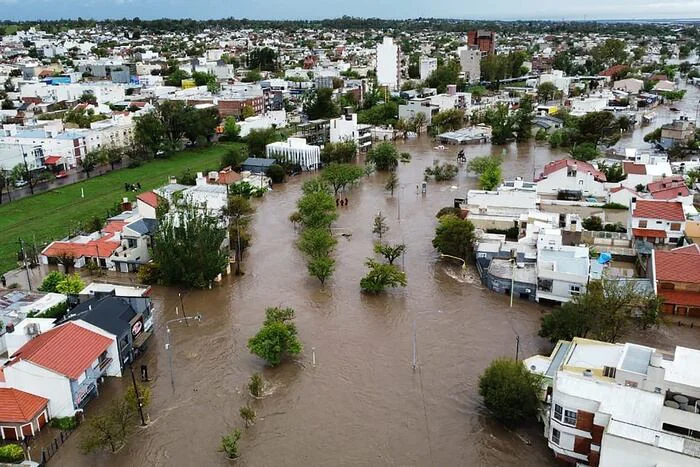
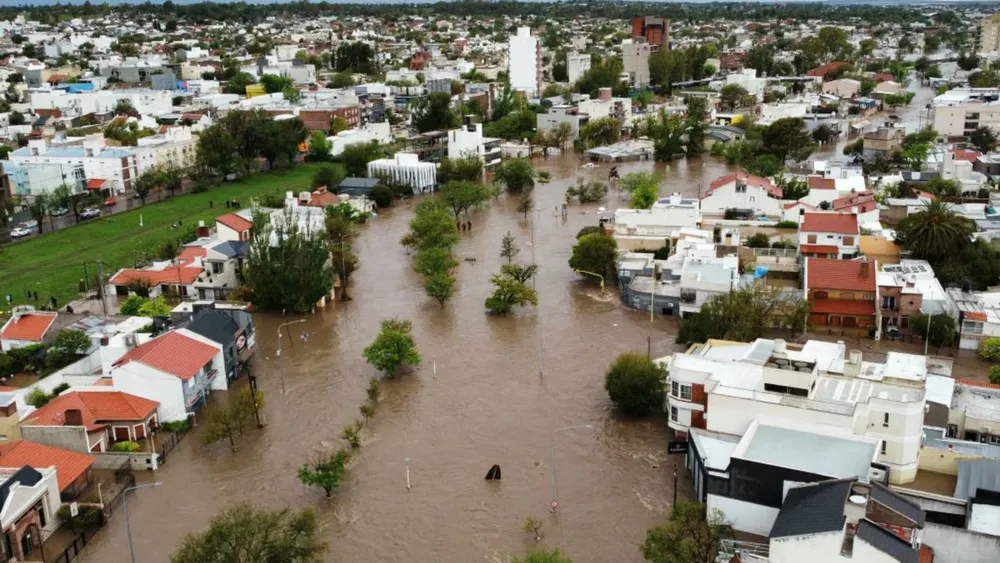
RNIn an era defined by compounding macroeconomic volatility and accelerating hydrometeorological disruptions, the systemic vulnerability of sovereign states no longer stems solely from the magnitude of physical shocks, but from the institutional decay of predictive governance. When an extreme weather event or an anthropogenic failure intersects with a technocratic vacuum, the resulting socioeconomic collapse is rarely an act of God; it is the mathematically predictable outcome of reactive planning and unmitigated administrative friction. Across diverse geopolitical landscapes, the price of an hour of improvisation during a systemic crisis has become an unsustainable tax on sovereign debt, corporate capitalization, and human capital, highlighting a critical global imperative to integrate highly specialized professionals into decision-making matrices or align municipal systems with robust institutional frameworks.
The structural manifestations of this technical deficit vary distinctly across regions, yet they consistently convert localized hazards into macro-critical disasters. In India, the rapid expansion of secondary urban centers often occurs in direct defiance of dynamic hydrological modeling, where the lack of credentialed disaster risk management specialists within municipal corporations leads to the systemic paving over of natural drainage basins. When unprecedented monsoonal anomalies strike, local administrations resort to ad-hoc, post-disaster humanitarian distribution rather than executing automated, telemetry-driven early warning protocols. This administrative improvisation paralyzes critical manufacturing corridors and supply chains, compounding losses across the broader Indo-Pacific logistics networks and demonstrating how the absence of localized technical expertise severely compromises national economic continuity.
Concurrently, China showcases the profound limits of top-down engineering paradigms when separated from flexible, localized risk governance. While the central government can mobilize massive capital expenditure for heavy flood-mitigation infrastructure, the localized management of these complex asset networks frequently suffers from rigid bureaucratic structures that lack integrated risk-scoring frameworks. When extreme meteorological phenomena exceed historic design baselines, local and provincial officials face systemic inertia, delaying optimal spillway management or evacuation triggers due to a lack of decentralized technical competence. The resulting failure cascading through downstream industrial zones underlines that capital-intensive infrastructure is only as resilient as the technical proficiency of the human capital tasked with its real-time operational calibration.
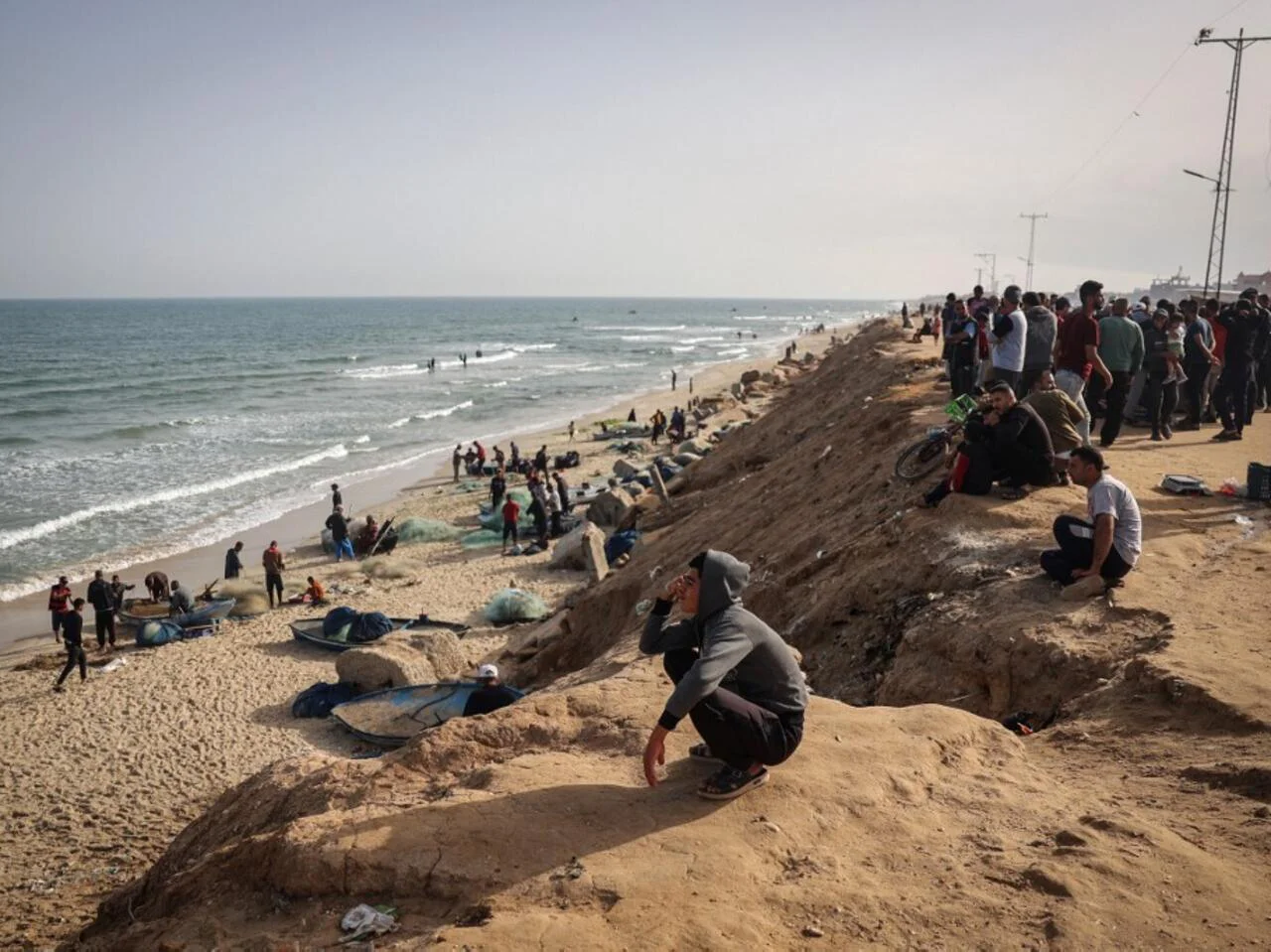
In stark contrast, Venezuela exemplifies the absolute collapse of institutional capacity, where the systematic flight of engineering and economic expertise has transformed ordinary infrastructure maintenance into a chronic anthropogenic emergency. The chronic desubstantiation of national regulatory bodies and state-owned enterprises means that minor precipitation events or grid fluctuations instantly trigger catastrophic failures in water distribution, healthcare infrastructure, and logistics. Because national technical agencies have been structurally defunded and stripped of meritocratic leadership, the state has lost its baseline ability to compute replacement costs or model systemic vulnerabilities. This structural blindness forces the public to endure an unceasing state of ad-hoc crisis response, completely eroding sovereign creditworthiness and turning the nation into a stark case study of how unmitigated institutional de-professionalization actively manufactures socio-economic catastrophes.
The paradigm shifts dramatically within the Persian Gulf states, where abundant financial capital has historically masked operational vulnerabilities. In this region, rapid urban development has historically relied on heavy engineering models optimized for hyper-arid climates; however, recent shifts in weather patterns have brought unprecedented convective storm systems that overwhelm existing urban storm-water designs. In these high-income environments, institutional improvisation manifests not as a scarcity of funds, but as a delay in integrating predictive artificial intelligence and hydro-informatics into municipal master planning. Without the integration of specialized climate risk analysts into both the sovereign wealth funds and municipal ministries, these states risk facing substantial capital devaluation across their premier real estate and logistics assets, proving that financial liquidity cannot substitute for proactive, scientific risk allocation.
This vulnerability is echoed in Eastern Europe, where municipal and regional authorities are caught between legacy infrastructure and the complex regulatory requirements of modern transnational frameworks. In many provincial centers, the lack of dedicated environmental compliance officers and structural risk engineers prevents local governments from successfully absorbing international modernization funds. When hydrometeorological extremes or regional logistical blockages occur, the response is often fragmented by transboundary bureaucratic friction, revealing a clear lack of unified incident command systems. This administrative lag not only damages regional agricultural output and energy security, but also deepens fiscal dependency on central governments, proving that regional resilience requires a highly professionalized civil service capable of translating complex data into immediate protective action.
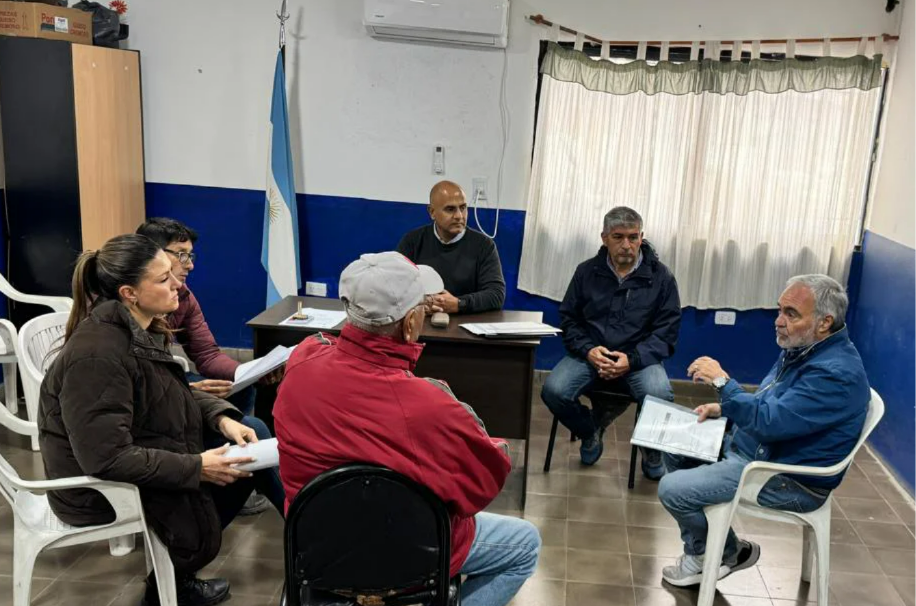
Across Latin America, the story remains tied to a destructive cycle of short-term fiscal planning and political turnover, which prevents the establishment of a stable, professionalized technocracy. Municipalities across the region regularly approach disaster risk management as a political variable rather than an exact science, neglecting the development of unified municipal risk-scoring methodologies. When local or provincial entities manage risks through ad-hoc budgetary reallocations, they expose their infrastructure to severe vulnerabilities. This systemic lack of technical continuity forces regional economies into an expensive cycle of reconstruction, structural capital flight, and eroding credit ratings, highlighting the urgent need for private and public entities to aggressively recruit certified experts in public-private partnerships, infrastructure finance, and climate resilience.
To break this global cycle of administrative failure, international development architecture must move past superficial sustainability certifications and adopt rigorous, quantitative risk frameworks. In this space, the Americas Forum, through its City Risk-70 program, offers a highly specialized alternative to traditional ecological initiatives. Rather than providing static environmental diagnostics, City Risk-70 delivers an institutional framework built on advanced risk engineering, clear asset tokenization mechanisms, and rigorous capacity building. The program is designed specifically to help local and regional governments integrate predictive risk-scoring models into their multi-year fiscal budgets, ensuring that resilience is backed by sustainable finance rather than reactive debt.
Ultimately, the value of the City Risk-70 framework lies in its commitment to addressing the human capital deficit at the core of global institutional vulnerability. By standardizing technical training, improving local engineering capacity, and bridging the gap between public infrastructure needs and global capital markets, the program enables institutions to replace costly improvisation with precise, data-driven planning. For public ministries and forward-looking corporate boards alike, aligning with the City Risk-70 framework or aggressively embedding credentialed risk professionals into their structures is no longer an optional compliance exercise; it is an essential strategic requirement to protect sovereign and corporate survival in an increasingly volatile world.


Arterias de Concreto y Acero: La Vulnerabilidad Tectónica de la Infraestructura Crítica en el Mercosur

Un escudo contra la vulnerabilidad: el BID aprueba US$ 78,75 millones para transformar la vivienda y la integración social en Uruguay


Geopolítica del Riesgo y Cumplimiento: El Impacto de las Doctrinas de Seguridad en las Arquitecturas de Prevención de Lavado de Activos en el Cono Sur

Homes at Risk: Global Call Seeks to Fund Climate Resilience Solutions in Informal Settlements

Cartografía de la Inversión Oculta: El Salto Digital de la Minería Argentina frente al Espejismo de las Plataformas Cerradas

FONDOS GLOBALES PARA LA RESILIENCIA LOCAL: ABREN CONVOCATORIA DE USD 150.000 PARA MUNICIPIOS Y ONGS DE LA REGIÓN