
Regulatory Recalibration in Argentina: Senate Amends Glaciers Law to Balance Hydrological Protection and Jurisdictional Sovereignty

The introduction of "hydrogeomorphological functions" as a qualifying criterion for protection marks a technical shift in the management of periglacial environments and strategic water reserves within the Argentine territory.
Minería & Energia27 de febrero de 2026RNRN
ley_de_glacciares_la_importancia_del_hielo-01

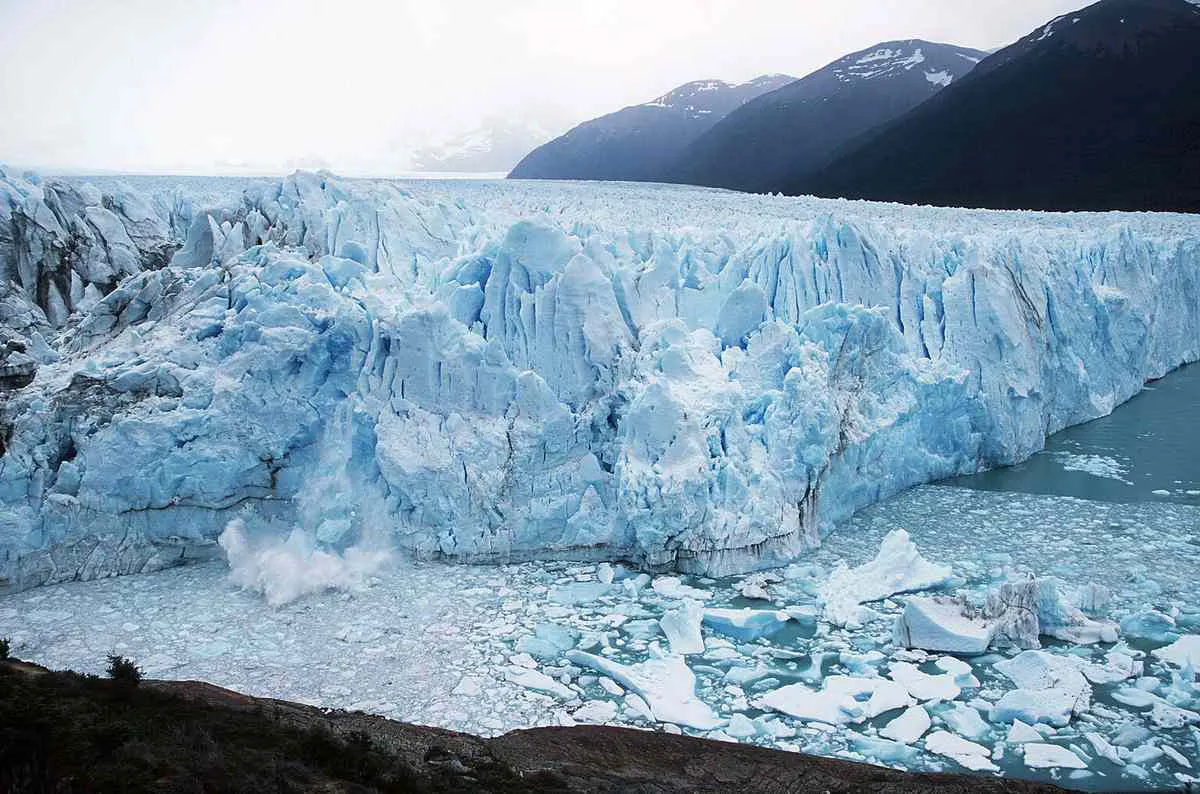
The Argentine Senate has approved significant modifications to the Glaciers Law through the adoption of the "OD 700" Dictum, a legislative move that redefines the technical and legal framework for the protection of frozen water bodies and periglacial environments. This reform, passed with 40 affirmative votes, introduces a more granular approach to environmental preservation by linking the legal status of these ecosystems to their specific role as strategic water resources. By transitioning from a categorical protection model to one based on verified hydrological contribution, the legislature aims to harmonize the mandates of Article 41 of the National Constitution—which calls for the rational use of natural resources—with the provincial ownership of those resources as established in Article 124 of the Argentine Magna Carta.

​At the core of this legislative update is the refined definition of the National Glacier Inventory. The new text specifies that the inventory will individualize glaciers and periglacial geoforms that actively function as strategic water reserves and providers for basin recharge. A critical technical distinction was introduced during the final debate: the phrase "performing functions" was replaced by "acting as," a subtle but decisive shift that emphasizes the current physical and hydrological utility of the landform. Furthermore, the updated Article 3 bis solidifies the "precautionary principle," stipulating that all bodies currently listed in the inventory will remain under full legal protection until competent authorities, supported by rigorous technical-scientific studies, verify the absence of the strategic hydrological functions defined in the law.

​The technical management of these environments will continue to be spearheaded by the Argentine Institute of Nivology, Glaciology, and Environmental Sciences (IANIGLA), though the reform strengthens the procedural nexus between federal scientific monitoring and provincial enforcement. Under the new guidelines, if a provincial authority detects a glacier or geoform that fulfills hydrological functions but is missing from the national record, it must notify IANIGLA for its inclusion. Conversely, the law now provides a mechanism for removal from the inventory if scientific evidence proves a body no longer contributes to the water cycle in a relevant capacity. This ensures that the restrictive regime—which prohibits activities such as mining, hydrocarbon exploitation, and the disposal of pollutants—is applied only to areas where environmental protection is technically justified.

​The approved modifications also integrate the Glaciers Law more deeply with the General Environment Law (No. 25.675). Specifically, the definition of prohibited activities now references Article 27 of the general framework, prohibiting any intervention that "significantly alters" the natural condition or hydrological functions of the protected areas. This alignment is designed to provide greater legal certainty for both conservationists and industrial sectors, as it mandates that Environmental Impact Assessments (EIA) and Strategic Environmental Evaluations must be conducted with mandatory citizen participation. By requiring "technical-scientific elements" as the primary basis for identifying protected zones, the Argentine Senate has moved toward a more evidence-based regulatory environment, seeking to resolve long-standing tensions between provincial development goals and federal environmental minimum standards.

Te puede interesar
Lo más visto