

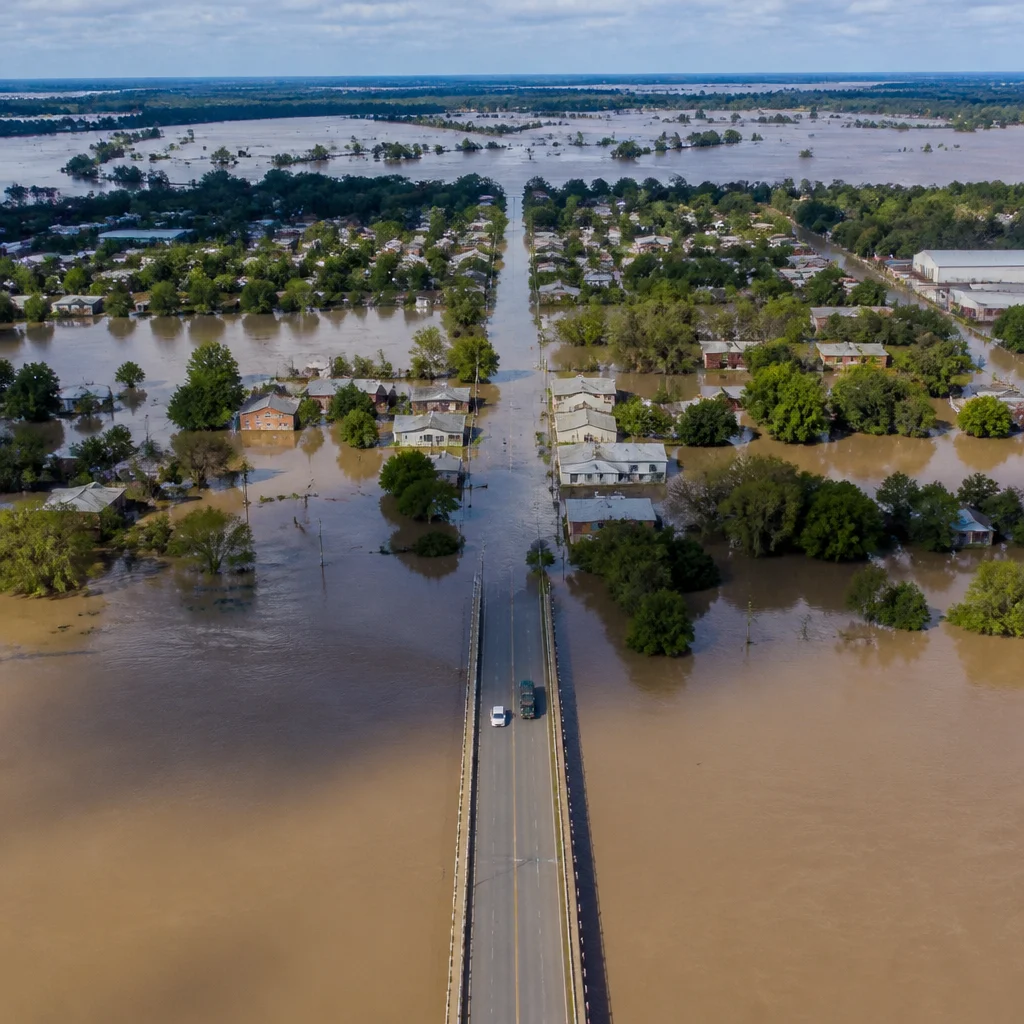
Strategic Competition Unfolds for the Management and Modernization of the Paraná-Paraguay Waterway
International Consortiums Submit Technical Proposals to Oversee One of South America’s Most Critical Fluvial Trade Arteries.
Logística y Transporte27 de febrero de 2026 RN
RN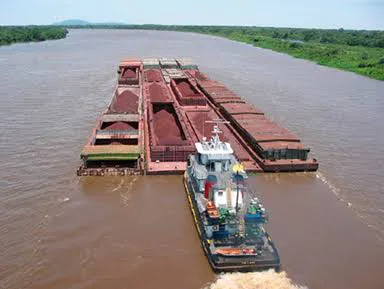
The bidding process for the privatization and maintenance of the Paraná-Paraguay Waterway has entered a decisive technical phase, marking a significant shift in the infrastructure strategy for the Southern Cone. This strategic corridor, which facilitates the transit of over 80% of Argentina's agricultural exports, has drawn intense interest from global engineering and dredging heavyweights. Currently, the competition is defined by the participation of two prominent Belgian firms and a major Brazilian infrastructure group, each presenting comprehensive logistical frameworks designed to optimize the navigability of the river system while addressing the complex sedimentological challenges of the Rio de la Plata basin.
The technical requirements for the upcoming concession emphasize not only the maintenance of current draft depths but also a systemic expansion of the navigable channel to accommodate larger vessels. The Belgian competitors, leveraging decades of expertise in European maritime gateways, have proposed advanced hydraulic engineering solutions aimed at improving the efficiency of the "Troncal" route. These proposals focus on high-capacity dredging technology and real-time bathymetric monitoring to ensure safe transit during periods of low water levels, which have historically hindered export volumes. Their approach integrates automated signaling and AIS (Automatic Identification System) enhancements to modernize the logistical flow from the inland ports of Santa Fe and Rosario toward deep-sea Atlantic routes.
Simultaneously, the Brazilian entry represents a regional push to integrate South American logistics expertise into the management of the waterway. This proposal highlights the importance of cross-border connectivity and the synchronization of dredging operations with the industrial demands of the Mercosur bloc. The technical debate now centers on the duration of the concession and the investment commitments required to deepen the main channel beyond the current 34 feet. Such an upgrade would necessitate a sophisticated environmental impact assessment and a long-term capital expenditure plan to sustain the structural integrity of the riverbanks while maximizing the throughput of Capesize and Panamax-class vessels.
As the evaluation committee analyzes the financial and technical viability of these bids, the focus remains on ensuring a competitive tariff structure that does not compromise the operational excellence of the corridor. The transition from state-managed emergency maintenance to a long-term private concession is expected to catalyze significant private investment in port infrastructure and shipyard services along the river. This privatization effort is viewed by market analysts as a cornerstone for the region's macroeconomic stability, as the efficiency of the waterway directly correlates with the competitiveness of grain and mineral commodities in the global market. The final selection will ultimately determine the technological trajectory of the waterway for the next two decades, defining the standards for maritime safety and logistics efficiency in South America.
Te puede interesar
El impacto del Súper Niño en la logística argentina: vulnerabilidad crítica en las cadenas de suministro
RN
Logística y Transporte13 de octubre de 2026El incremento extraordinario de las precipitaciones sobre la Cuenca del Plata y el interior del país tensiona la infraestructura fluvial, vial y ferroviaria, amenazando la competitividad del comercio exterior.
LOS MUNICIPIOS FRENTE AL PELIGRO INVISIBLE: QUÉ TRANSPORTAN LAS RUTAS ARGENTINAS Y POR QUÉ LA PREPARACIÓN MUNICIPAL HAZMAT YA NO PUEDE ESPERAR
RN
Logística y Transporte06 de octubre de 2026Ante la ausencia de una matriz nacional consolidada, el ahogamiento presupuestario de municipios y bomberos, y el grave vacío jurídico que frena los consorcios regionales, el análisis de los grandes flujos —desde Vaca Muerta y la Ruta 40 hasta el polo agroindustrial de las rutas 3, 9, 12 y 34— expone la extrema vulnerabilidad local y la urgente necesidad de superar la improvisación.
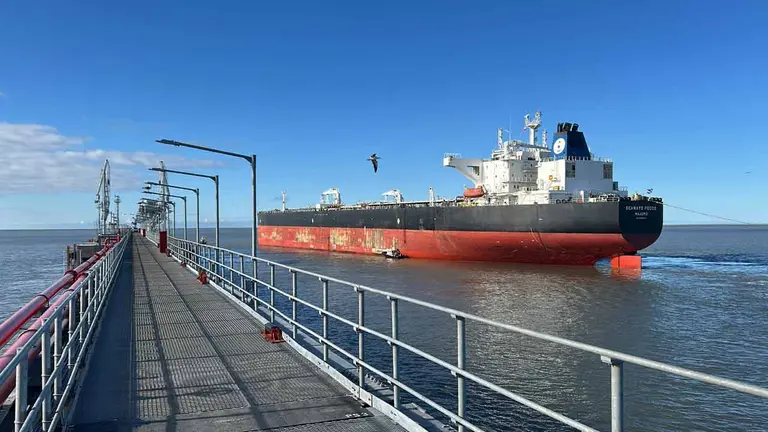
El pulso exportador de Argentina bajo amenaza: el impacto logístico y técnico del fenómeno "Super Niño" en la infraestructura portuaria
RN
Logística y Transporte09 de septiembre de 2026Un análisis profundo de los desafíos operativos, la oscilación extrema de los niveles hídricos, las restricciones de calado y la vulnerabilidad diferencial entre los nodos fluviales, estuariales y marítimos frente al próximo ciclo de anomalías climáticas extremas y su impacto crítico en la matriz energética.
Resiliencia en Juego: El Banco Asiático de Desarrollo Exige Acelerar la Conectividad en el Sudeste Asiático
RN
Logística y Transporte27 de agosto de 2026Resiliencia en Juego: El Banco Asiático de Desarrollo Exige Acelerar la Conectividad en el Sudeste Asiático.
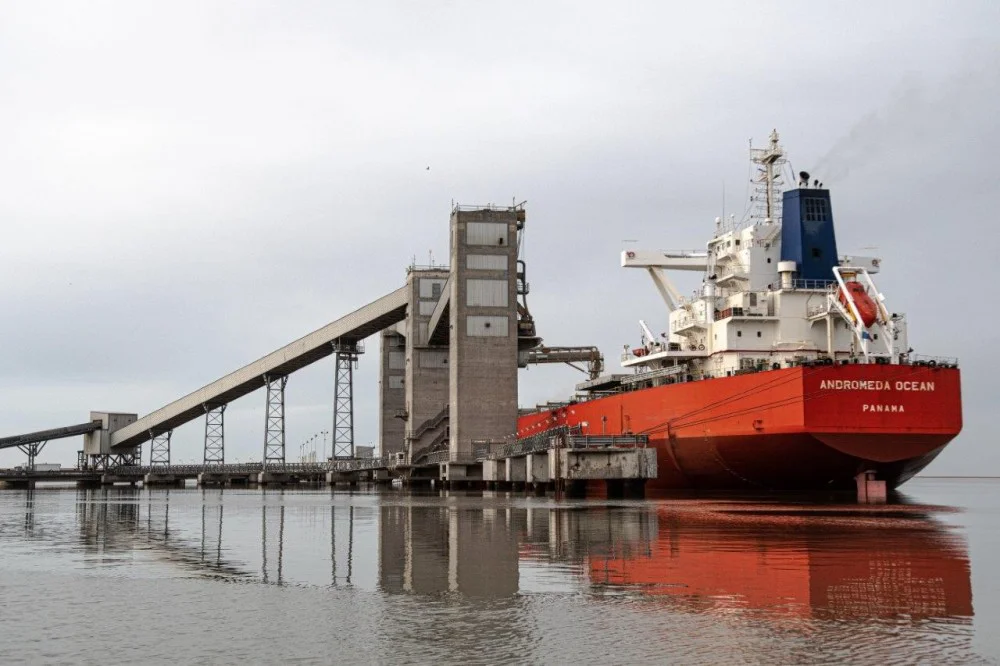
El cuello de botella invisible: por qué la próxima crisis energética mundial será un shock portuario y cómo debe responder Argentina
RN
Logística y Transporte20 de agosto de 2026La vulnerabilidad de los flujos físicos en la era de la transición energética y la urgencia de reconfigurar la infraestructura crítica fluvial y marítima nacional para retener el valor de las exportaciones.
Lo más visto

Más allá del Algoritmo: Inteligencia Artificial y los Límites de la Seguridad Industrial de Alto Riesgo
RN
Ciencia e Innovación26 de octubre de 2026Cómo las plataformas analíticas especializadas redefinen la supervisión en complejos petroquímicos, superando la fricción de los sistemas heredados (OT) bajo el imperativo técnico de la ciberseguridad y la inalienable gobernanza humana.

De la viralidad al filtro bancario: redes de franquicias, controles de compliance y los límites estructurales del marketing inmobiliario
RN
Real Estate Risk27 de octubre de 2026La masificación de agentes con alta exposición en redes sociales suele simplificarse como una mera moda digital. Sin embargo, un análisis profundo del ecosistema inmobiliario revela una mutación estructural mucho más compleja: el resultado de la crisis de costos de las estructuras tradicionales, la expansión de redes de agencias —con marcados contrastes en sus estándares de cumplimiento— y un extendido margen de ejercicio irregular que hoy choca de frente con las exigencias del crédito bancario y el rigor notarial.
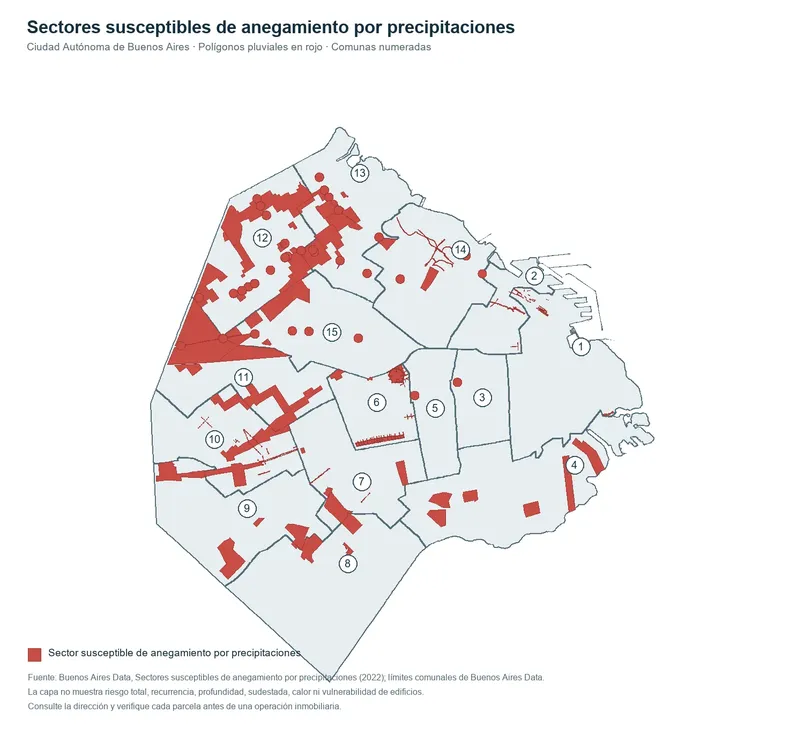
El riesgo climático ya entra en la ecuación inmobiliaria de Buenos Aires
RN
Real Estate Risk27 de octubre de 2026Qué pueden cambiar las lluvias intensas, las inundaciones y el calor extremo en los costos, los plazos de obra y la asegurabilidad de los proyectos porteños.

Megaminería en la Puna: First Quantum analiza una inversión histórica de hasta USD 5.250 millones para el proyecto de cobre Taca Taca
RN
Minería y Energía27 de octubre de 2026El gobernador Gustavo Sáenz mantuvo un encuentro estratégico con el CEO de la minera internacional, Tristan Pascall. El yacimiento, ubicado a 35 kilómetros de Tolar Grande, proyecta una producción anual cercana a las 291.000 toneladas de cobre y avanza hacia su próxima audiencia pública y su postulación al RIGI.
Monómeros reactivos y seguridad industrial en Argentina: Hacia una gobernanza multinivel, financieramente sustentable y realista en los polos petroquímicos
RN
Comunidades Seguras27 de octubre de 2026La gestión de riesgos químicos en la industria petroquímica no admite recetas abstractas ni voluntarismo institucional. Proteger los corredores industriales y las comunidades exige blindar jurídicamente los consorcios público-privados frente a la litigiosidad, garantizar auditorías técnicas independientes que fortalezcan el control estatal, alinear los incentivos con el mercado asegurador y reconocer la profunda asimetría territorial entre los polos históricos y las nuevas cuencas de expansión.