Building Resilient Frontiers: How City Risk-70 is Redefining Critical Infrastructure Security

Strategic Synergies and the Transboundary Paradigm: A New Era for Municipal Governance.
CR-7003 de enero de 2026RNRN
1745839494578

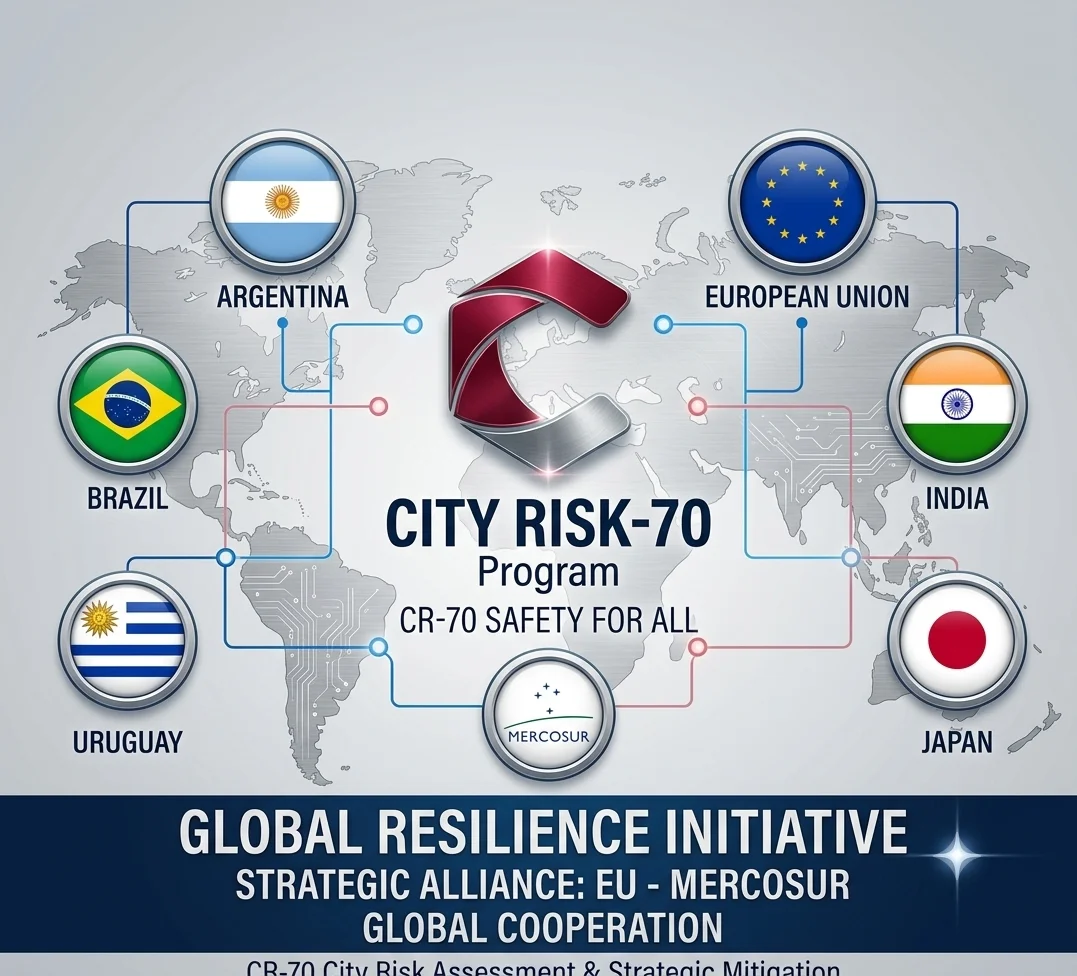
The increasing complexity of globalized production networks has rendered traditional, siloed approaches to disaster management obsolete. As supply chains become more interconnected, the vulnerability of local governments to systemic shocks has intensified. In response to this paradigm shift, the City Risk-70 program has emerged as a specialized framework designed to integrate Comprehensive Risk Management (CRM) into the heart of municipal governance, focusing specifically on the protection of critical infrastructure and the continuity of regional productive systems.

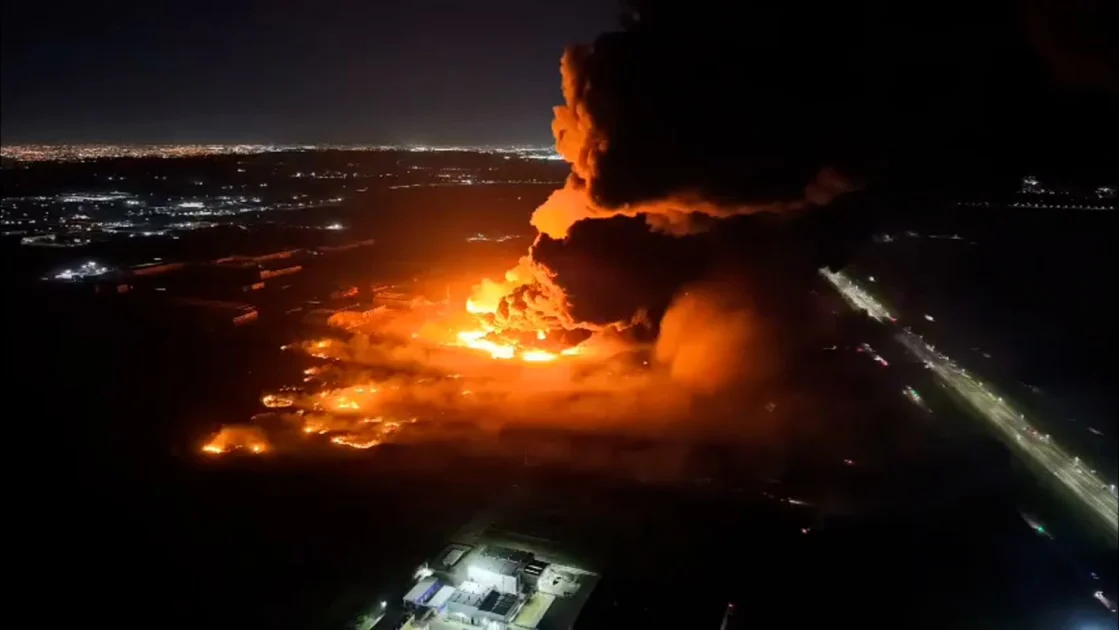
At its core, City Risk-70 operates on the principle that a city’s economic stability is inseparable from the resilience of its supply lines. By applying to the program, local governments gain access to high-level diagnostic tools that identify "blind spots" in their territorial planning. The primary benefit lies in the transition from reactive emergency response to a predictive, intelligence-led strategy. Municipalities that implement City Risk-70 protocols can significantly reduce the economic downtime following a disruptive event—be it a cyberattack, a natural disaster, or a logistical collapse—thereby safeguarding local employment and tax revenue.

The financial structure of the program is characterized by a co-investment model rather than a traditional service fee. While the initial costs involve the allocation of technical personnel and the integration of data-sharing software, these are framed as capital expenditures in long-term resilience. The program requires a commitment to upgrading digital monitoring systems and training local officials in advanced risk modeling. However, these upfront costs are often offset by the long-term reduction in insurance premiums for municipal assets and the increased attractiveness of the jurisdiction for foreign direct investment, as businesses prioritize locations with proven operational continuity plans.

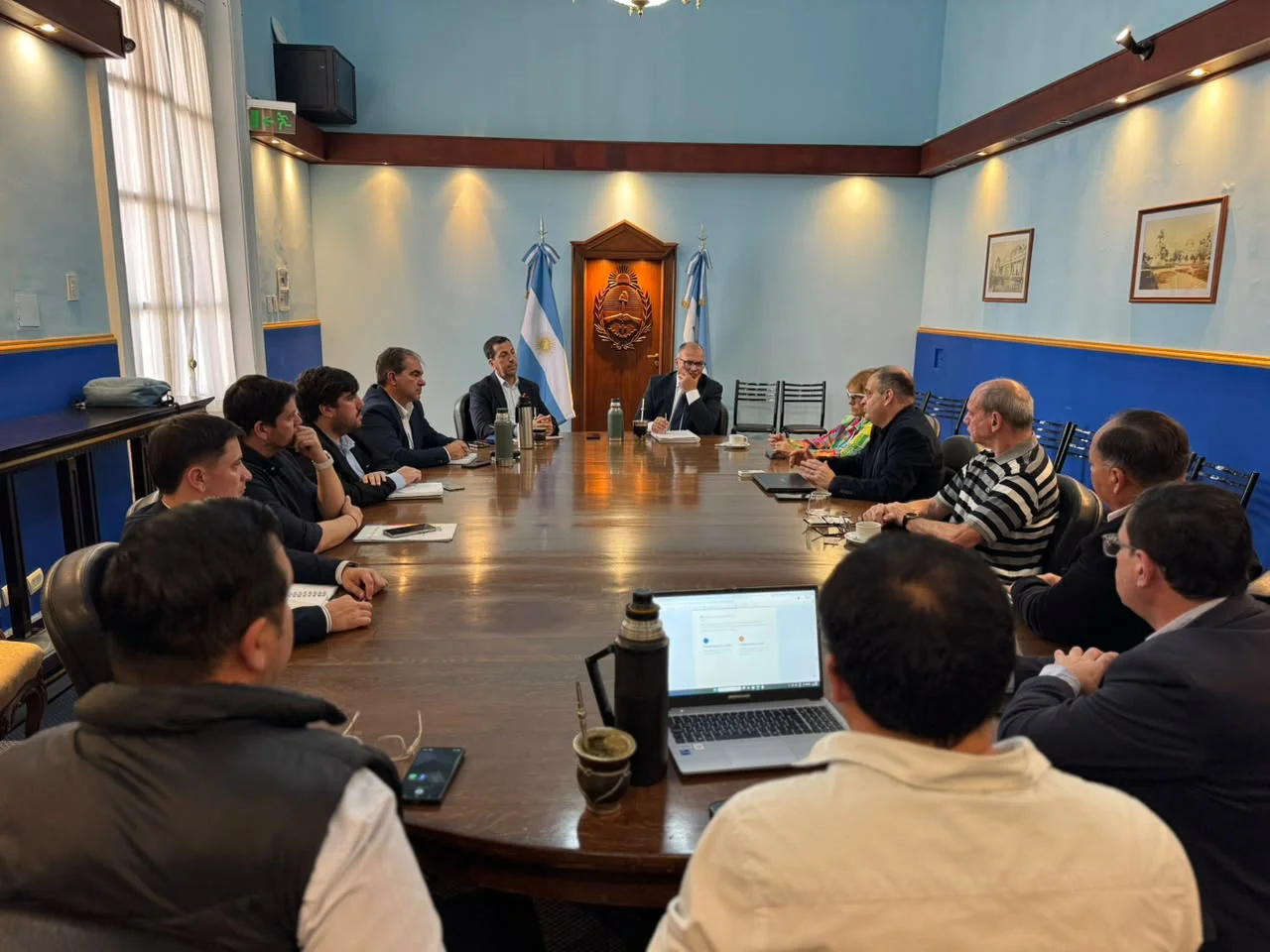
A fundamental pillar of the City Risk-70 methodology is the sophisticated articulation between the public and private sectors. The program moves beyond superficial "consultation" and instead fosters a deep integration where private operators of critical infrastructure—such as energy providers, port authorities, and logistics firms—share real-time data with local regulators. This synergy ensures that the government is not merely a bystander but an active coordinator in a shared defense ecosystem. By aligning the profit-preservation incentives of the private sector with the public safety mandates of the state, the program creates a unified front against systemic threats.

This collaborative philosophy is echoed by Peter Sundheimer, a leading voice in the program’s strategic direction. Sundheimer emphasizes that the greatest threat to modern stability is the "borderless" nature of contemporary risk. He argues that local governments can no longer afford to manage risks within their geographical boundaries alone. According to Sundheimer, the focus must shift toward transboundary risks—the phenomenon where a failure in a supplier located thousands of miles away can paralyze local regional production systems.

Sundheimer’s vision posits that regional productive systems are only as strong as their weakest link in the cross-border chain. He advocates for a "corridor-based" approach to risk management, where City Risk-70 acts as the glue connecting various nodes of production across different jurisdictions. By acknowledging that critical infrastructure is often part of a transnational network, the program encourages local leaders to think globally while acting locally, ensuring that the flow of essential goods and services remains uninterrupted by the geopolitical or environmental frictions of the modern era.

Te puede interesar
Lo más visto