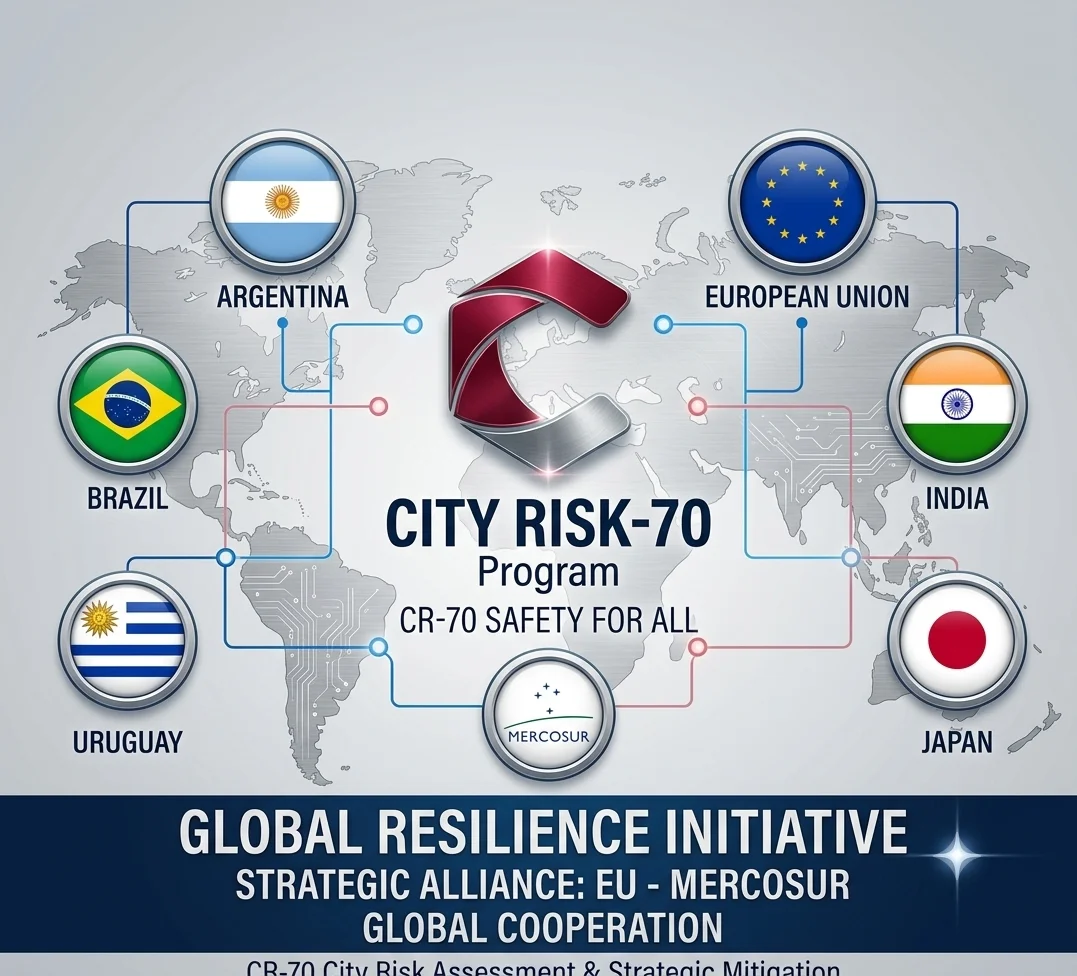


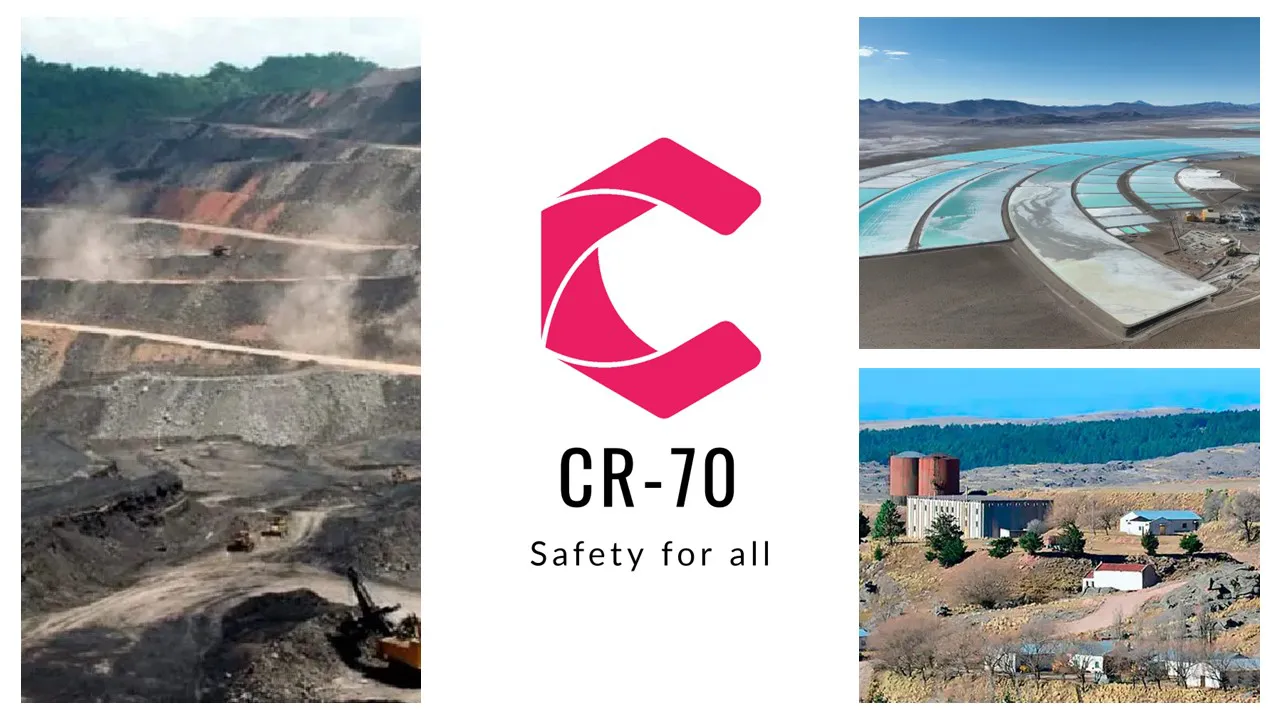

In a global context where climate volatility and systemic interdependencies redefine the security of nations, the City Risk-70 (CR-70) program, through its specialized innovation arm, the City Risk Lab, has emerged as a transformative catalyst for urban resilience in Argentina and the Southern Cone. This initiative represents a sophisticated shift from reactive disaster management to a proactive, technology-driven paradigm, positioning itself as the ideal vehicle to bridge the gap between public policy and private sector efficiency. By acting as a strategic orchestrator, the CR-70 accelerator facilitates a unique ecosystem where technology transfer and cross-sector cooperation are not merely aspirations but operational realities aimed at shielding critical infrastructure and stabilizing complex supply chains.
​The strength of the City Risk-70 program lies in its ability to harmonize the diverse interests of local governments, international organizations, and private enterprises into a unified front against multidimensional threats. Through the City Risk Lab, the program provides a digital and intellectual infrastructure that allows for the precise mapping of vulnerabilities within critical assets—ranging from energy grids and water systems to transport hubs—ensuring that resilience is built into the very fabric of urban development. In the realm of supply chains, the program’s intervention is equally vital; by fostering public-private articulation, it mitigates the "domino effect" of localized disruptions, protecting the flow of essential goods and services that sustain the regional economy. This collaborative framework ensures that technical expertise and innovative solutions, such as early warning systems and adaptive social protection models, are seamlessly integrated into municipal governance.
​Articulating resilience through the CR-70 program offers a multitude of strategic advantages that transcend traditional risk mitigation. For local governments, it provides access to specialized technical support and innovative financial instruments—including resilience bonds and catastrophe trusts—that reduce fiscal dependency on emergency funds and enhance long-term planning. For the private sector, the program offers a stable and predictable environment, safeguarding investments and ensuring business continuity in the face of hydrometeorological or anthropic events. Ultimately, by centralizing technology transfer and fostering a culture of shared responsibility, City Risk-70 empowers the region to transform systemic vulnerabilities into competitive strengths, building a more secure, sustainable, and interconnected future for all stakeholders involved.


Integración Transnacional para la Resiliencia Urbana: El Programa City Risk-70 del Foro de las Américas se Incorpora a la RED Santiago (Santiago Network)

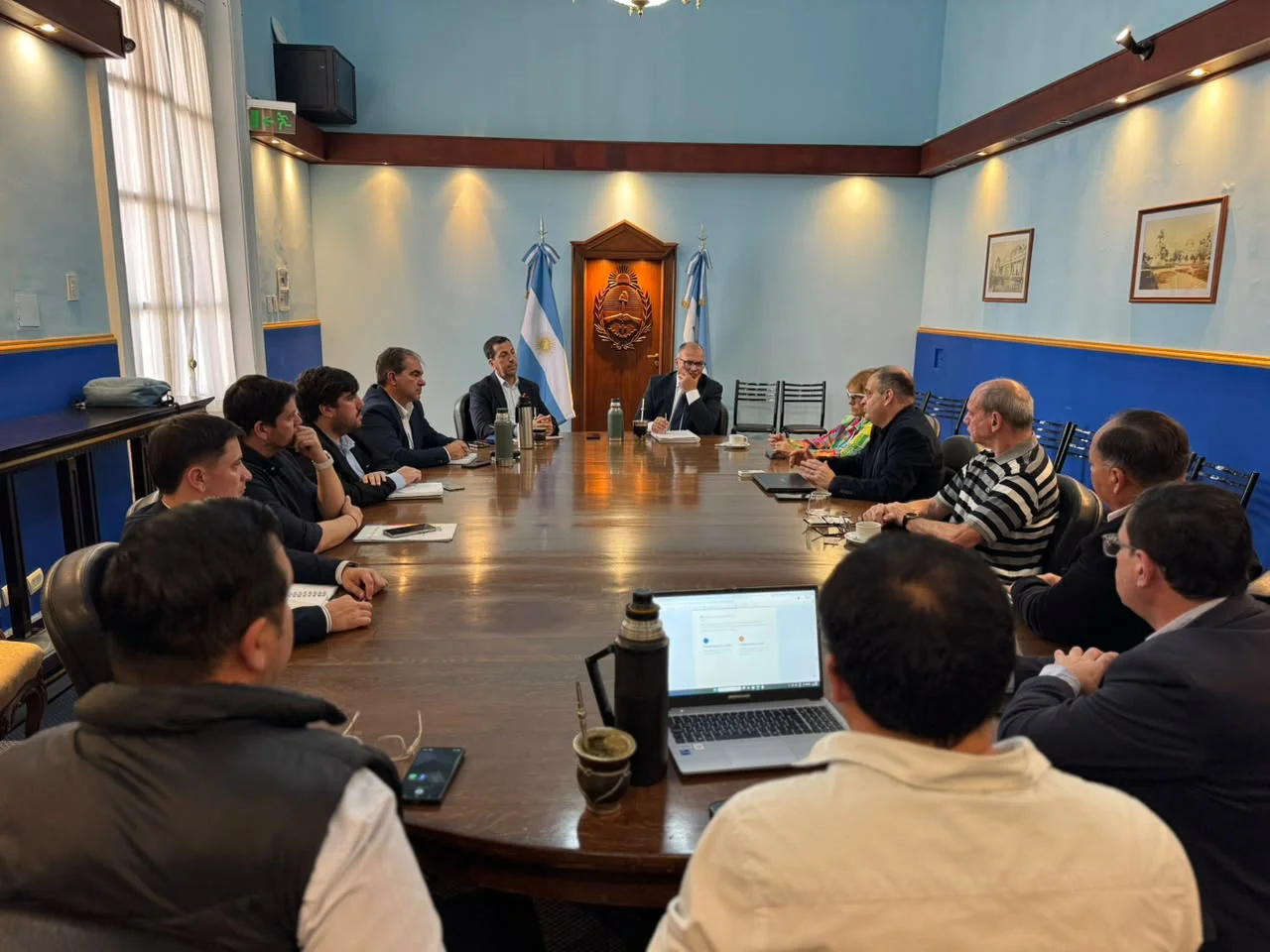
Gestión integral del riesgo y resiliencia productiva: Corrientes articula agenda estratégica junto al Programa City Risk-70

Resiliencia Estratégica en Iberoamérica: El Rol del Programa City Risk-70 Ante la Incertidumbre Climática y Antrópica


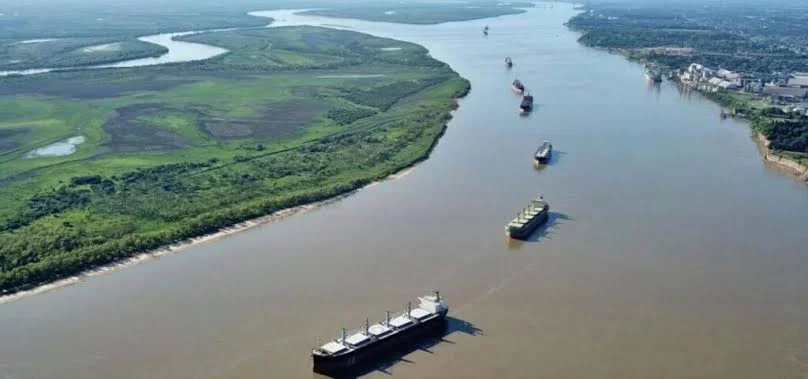
El impacto del Súper Niño en la logística argentina: vulnerabilidad crítica en las cadenas de suministro

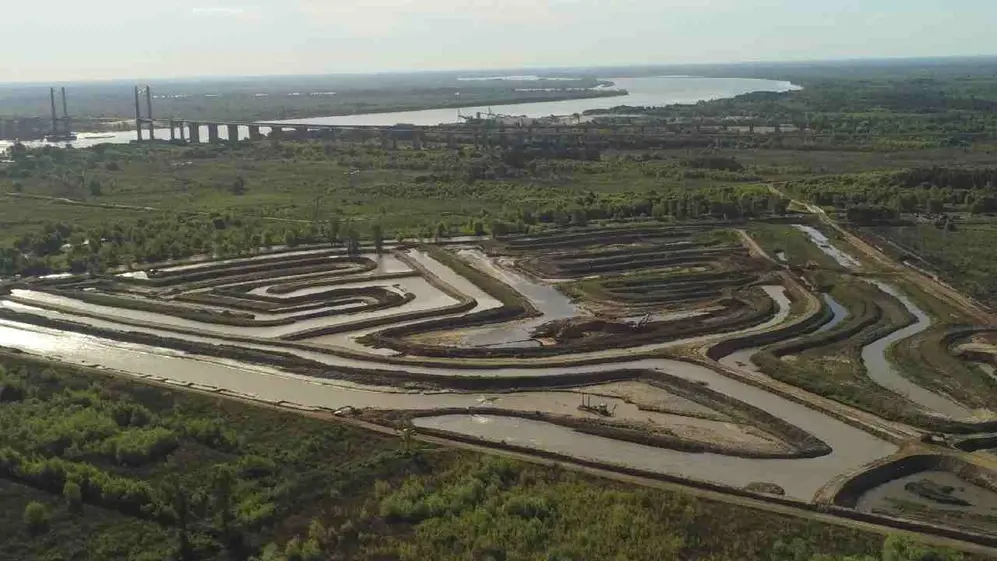
La ilusión del hormigón sobre el humedal: riesgo hidráulico, reevaluación actuarial y la necesidad de una Ley de Etiquetado de Riesgo Inmobiliario

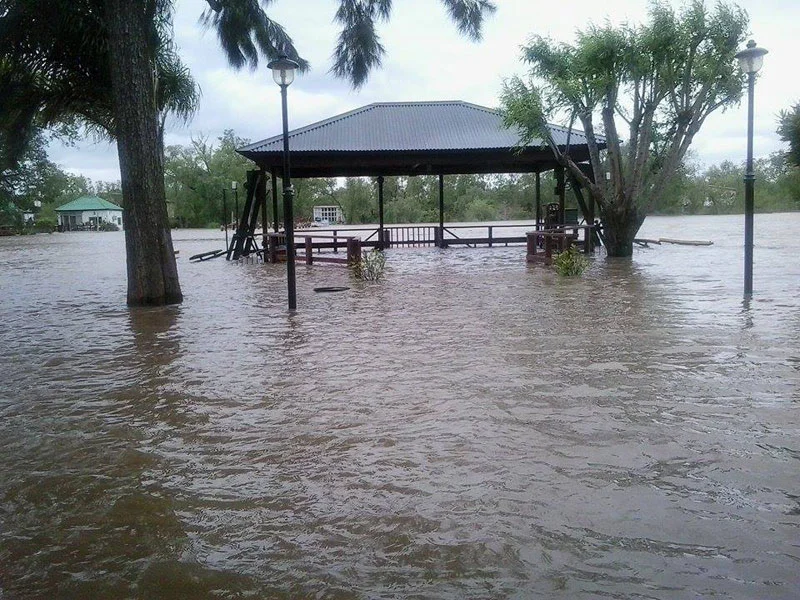
La trampa de la ribera: pulsos fluviales del Paraná y el Uruguay, desamparo actuarial y la urgencia de etiquetar el riesgo en el Litoral

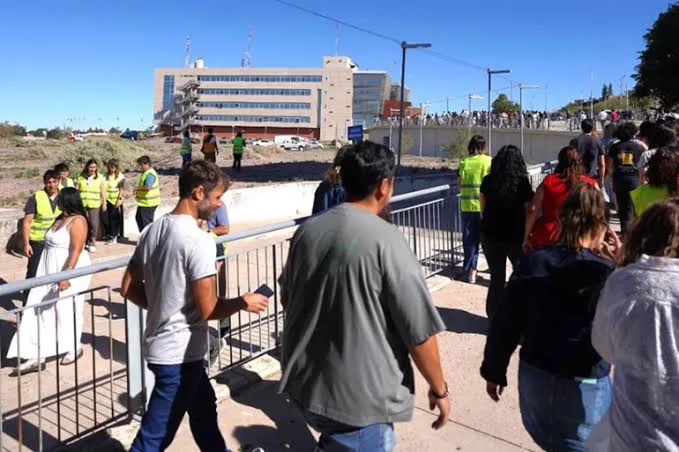
La ilusión del refugio de cordillera: movimientos de masa, violencia del deshielo y la urgencia de etiquetar el riesgo en el urbanismo de montaña