
The Resilience Mandate: Integrating Climate Risk into the Financial DNA of Ibero-American Cities

​Decoupling Urban Growth from Environmental Vulnerability through the City Risk-70 Framework and Strategic Public-Private Synergy
CR-7005 de marzo de 2026RNRN

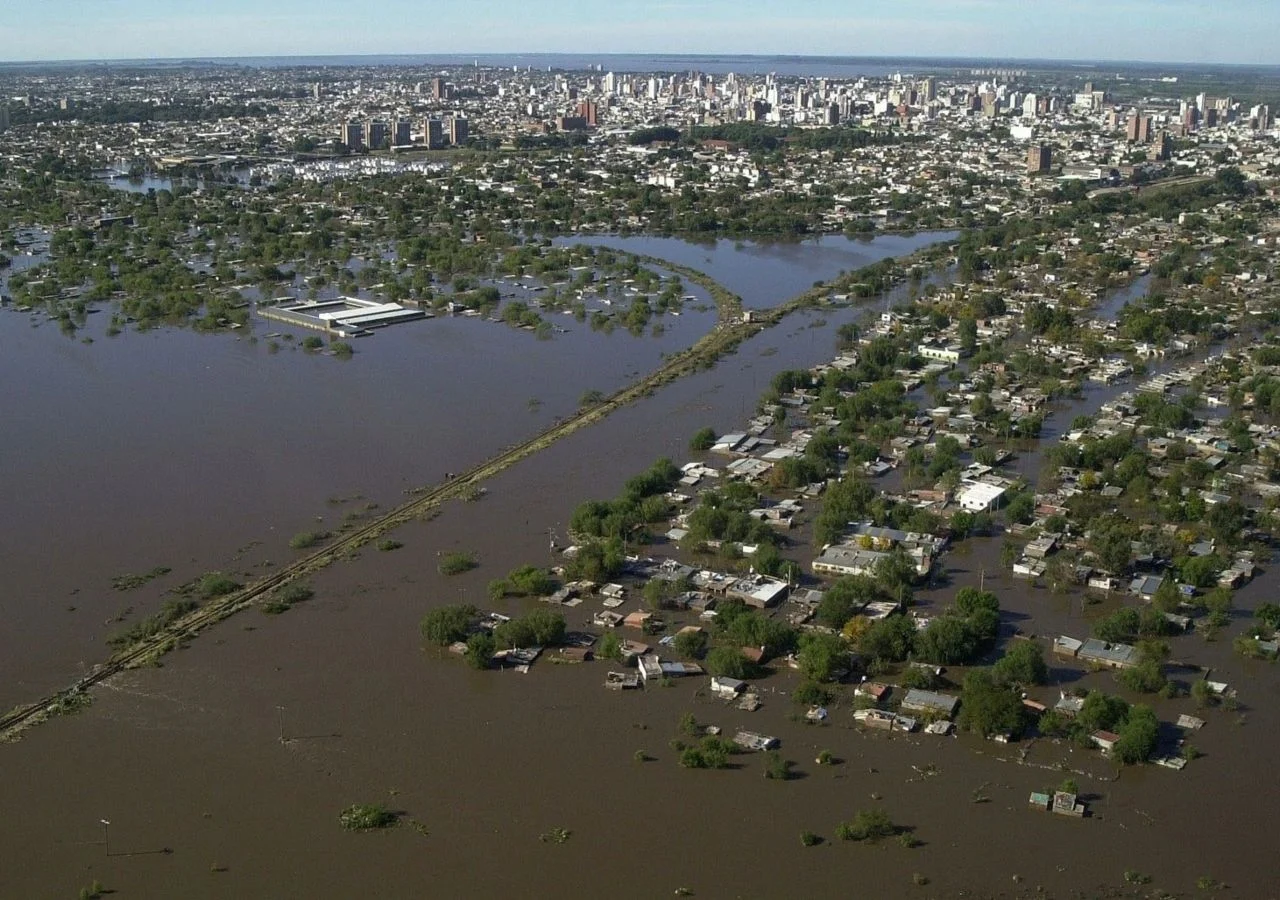
​As floodwaters breach historic districts and heatwaves strain the literal melting point of urban power grids, the global climate crisis has transitioned from a future projection to a present-day fiscal liability. For local governments across Argentina and the wider Ibero-American region, the traditional reactive model of disaster management is proving both financially unsustainable and socially catastrophic. The modern municipal responsibility has shifted; adaptation is no longer a peripheral environmental policy but a core fiduciary duty. To safeguard lives and maintain economic continuity, cities must now embed climate risk directly into the heart of their financial decision-making processes.

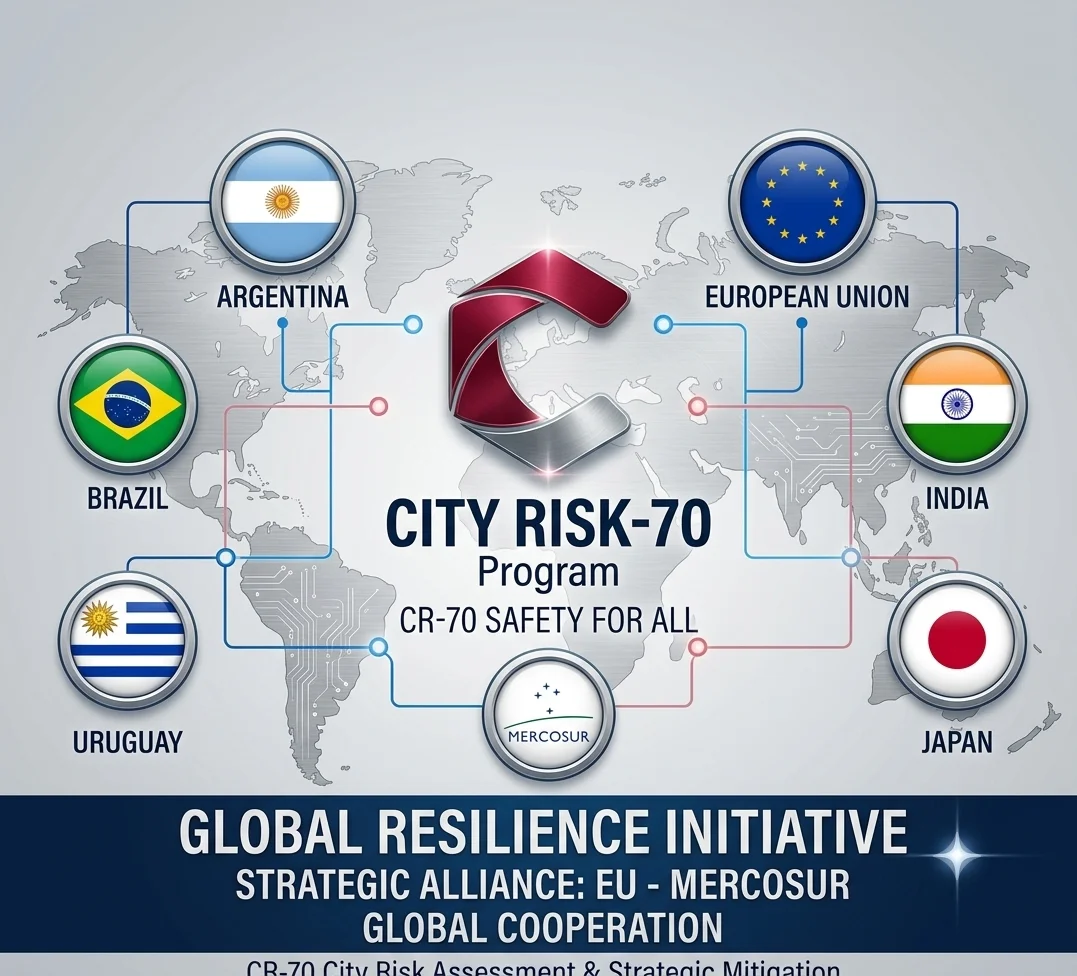
​This paradigm shift is precisely where the City Risk-70 Program and its analytical engine, City Risk Lab, emerge as transformative catalysts for regional governance. By providing a sophisticated interface between scientific data and municipal budgeting, these initiatives allow local leaders in Argentina and neighboring nations to quantify vulnerabilities that were previously invisible on a balance sheet. The City Risk-70 framework facilitates a deep dive into urban infrastructure, identifying "at-risk" assets and human centers before the next extreme weather event occurs. Through the City Risk Lab, governments gain access to predictive modeling and specialized expertise, enabling them to transition from emergency response to proactive resilience engineering.

​The strength of this approach lies in the power of public-private articulation. By adhering to these programs, local governments bridge the notorious "innovation gap" that often plagues the public sector. Private sector collaboration brings with it specialized technical agility, diversified funding streams, and cutting-edge data analytics that might otherwise be out of reach for smaller or mid-sized municipalities. This synergy ensures that climate adaptation is not viewed as a drain on resources, but as a strategic investment that lowers long-term insurance premiums, stabilizes property values, and attracts sustainable international investment.

​Furthermore, these programs promote a model of equitable resilience. By analyzing climate risk through a socioeconomic lens, the City Risk-70 methodology helps officials in Ibero-American cities identify where infrastructure failures would hit the hardest, ensuring that financial allocations prioritize the most vulnerable populations. In doing so, the articulation between state vision and private-sector efficiency creates a robust shield against the volatility of a warming world. Ultimately, integrating climate intelligence into the financial fabric of a city is the only way to ensure that the urban centers of the 21st century remain not only habitable but economically vibrant for generations to come.

Te puede interesar
Lo más visto