The Digital Siege: Evaluating Aerospace Cybersecurity Risks in the Persian Gulf Escalation
Convergence of Kinetic Warfare and AI-Driven Electronic Sabotage in Critical Aviation Infrastructure.
 RN
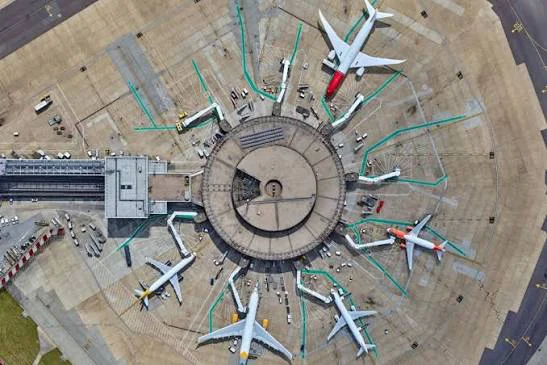
RNThe current geopolitical climate in the Persian Gulf has transcended traditional brinkmanship, evolving into a sophisticated theater of hybrid warfare where the boundaries between physical and digital domains are increasingly blurred. As tensions mount between regional actors—primarily Iran and its proxies—against the strategic interests of the United States and Israel, the vulnerability of international aviation hubs has moved to the forefront of national security concerns. Modern air terminals are no longer mere transit points; they are hyper-connected ecosystems reliant on a delicate web of Industrial Control Systems (ICS) and satellite-based navigation. In an era of armed conflict, these facilities face a multifaceted threat profile that moves beyond simple data breaches toward the systemic neutralization of flight safety protocols.
The integration of Artificial Intelligence into offensive cyber operations has fundamentally altered the risk landscape. State-sponsored actors now possess the capability to deploy AI-driven algorithms designed to identify and exploit zero-day vulnerabilities in Air Traffic Control (ATC) software at speeds that outpace human intervention. This technological leap enables the generation of "false echoes" and synthetic radar data, where AI mimics the electronic signatures of civilian or military aircraft. Such deceptive maneuvers could lead to catastrophic mid-air collisions or trick air defense systems into targeting commercial flights, effectively turning a nation's own security apparatus against its civilian populace. Furthermore, the potential for AI to automate the jamming of Global Navigation Satellite Systems (GNSS) poses a direct threat to the precision required for takeoffs and landings, particularly in the dense, high-traffic corridors of the Middle East.
Beyond the cockpit and the radar screen, the physical survival of an airport depends on the integrity of its power grid and life-support systems. In a coordinated strike, cyber adversaries target the SCADA (Supervisory Control and Data Acquisition) systems that manage electrical distribution and backup generators. A localized blackout, synchronized with a disruption in communication frequencies, would render a terminal paralyzed, creating a vacuum of authority and information that is ripe for exploitation by unconventional ground-based threats. This synergy between cyber-interference and kinetic intent suggests that the next major aviation disaster may not be the result of a missile, but rather a silent line of code that disables fire suppression systems or locks down emergency exits during a staged crisis.
Global vulnerability is not distributed evenly; it is concentrated in hubs that serve as strategic "choke points" or those that have rapidly modernized without equivalent leaps in defensive redundancy. Terminals such as Hamad International in Qatar and Dubai International in the UAE are at high risk due to their geographic proximity to the conflict zone and their roles as central nodes for Western-aligned logistics. However, the risk extends to Western "gateways" like Ben Gurion in Israel, which operates under a permanent state of high-readiness yet faces relentless, evolving pings from sophisticated regional cyber-units. Paradoxically, older airports in Eastern Europe and parts of Southeast Asia—which often utilize legacy systems integrated with new, poorly secured IoT (Internet of Things) overlays—present the most significant "soft targets." These locations lack the multi-layered AI-defense shields of major Western hubs, making them ideal testing grounds for state-sponsored actors to trial disruptive technologies before deploying them against primary strategic targets in Washington or Tel Aviv.
Te puede interesar


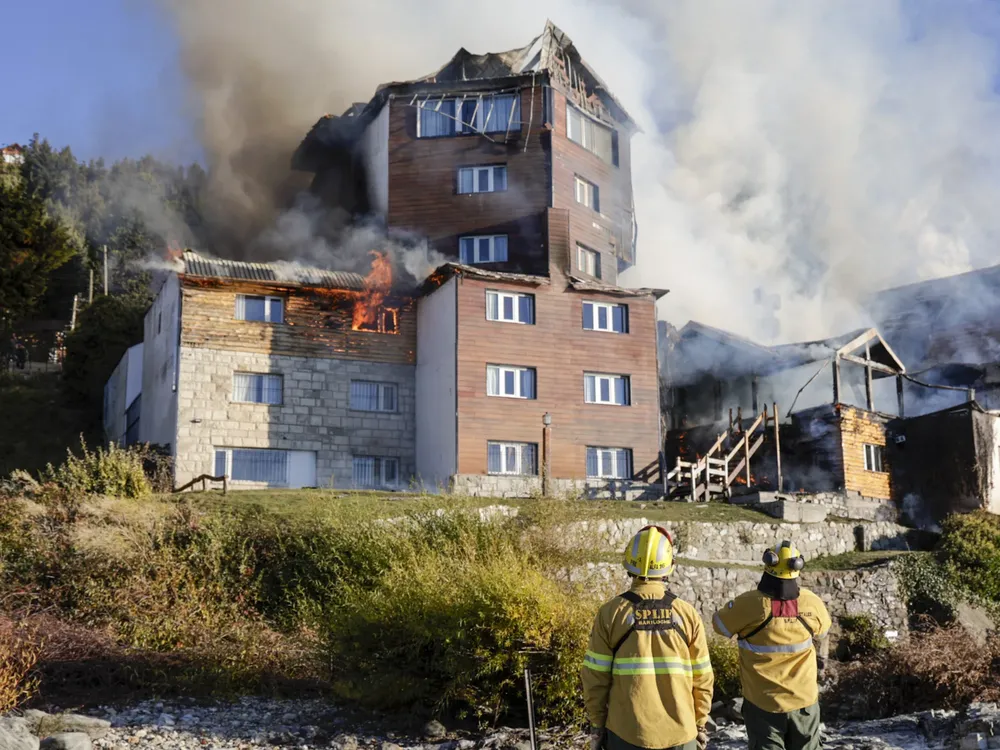
La Vulnerabilidad Extrema de la Hotelería Patagónica: Desafíos Estructurales y de Suscripción en Destinos de Montaña y Glaciares
RN
Travel Risk10 de julio de 2026Análisis técnico sobre los límites normativos del CIRSOC, la contracción de capacidad de reaseguro en líneas aliadas y el impacto crítico de las franquicias temporales de Business Interruption en el corredor del sur argentino.

La vulnerabilidad costera: el desafío estructural y financiero de la hotelería en el litoral atlántico bonaerense
RN
Travel Risk10 de julio de 2026Un análisis técnico sobre la depreciación acelerada, la falta de coberturas por sudestadas y los costos de continuidad de negocio en las categorías medias y bajas.

Exposición catastrófica y transferencia de riesgo: la encrucijada financiera de la hotelería argentina
RN
Travel Risk10 de julio de 2026Un análisis de la vulnerabilidad estructural y los costos de continuidad de negocio ante amenazas climáticas y sísmicas en las veinticuatro jurisdicciones.
Lo más visto
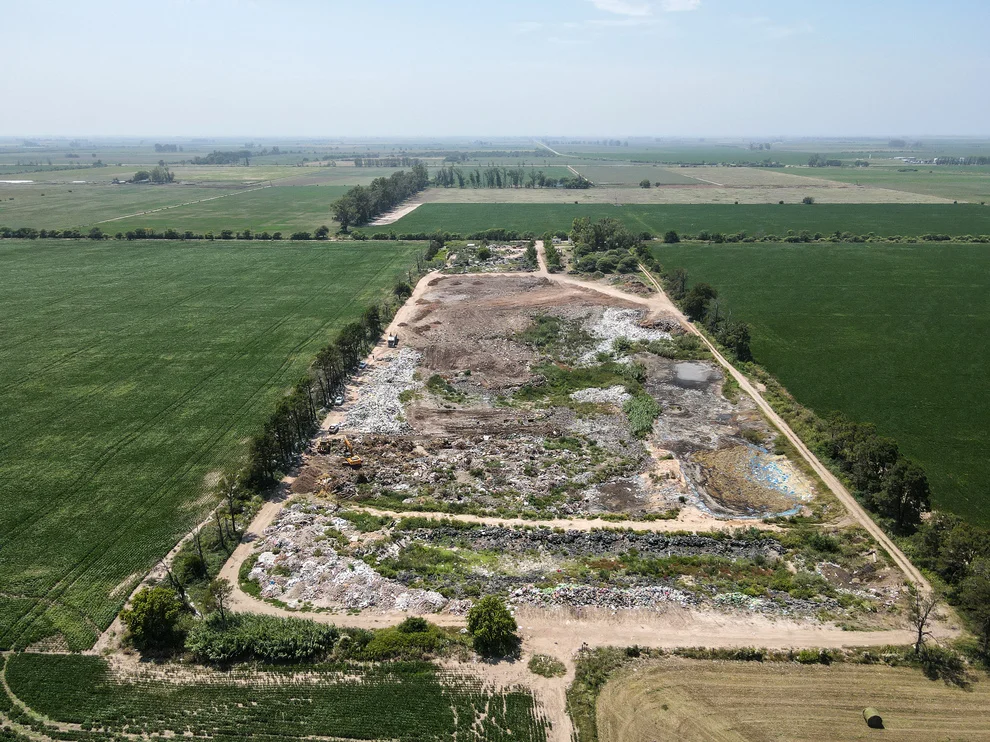
El veneno invisible que desafía a los derechos humanos: la ONU alerta sobre el impacto irreversible de los “químicos eternos”
RN
Ambiente15 de septiembre de 2026La proliferación de sustancias PFAS plantea una crisis de equidad y salud pública global. Sin límites obligatorios en el Código Alimentario ni en la regulación del agua de consumo, la Argentina opera como testigo de la urgencia de actualizar su marco regulatorio.
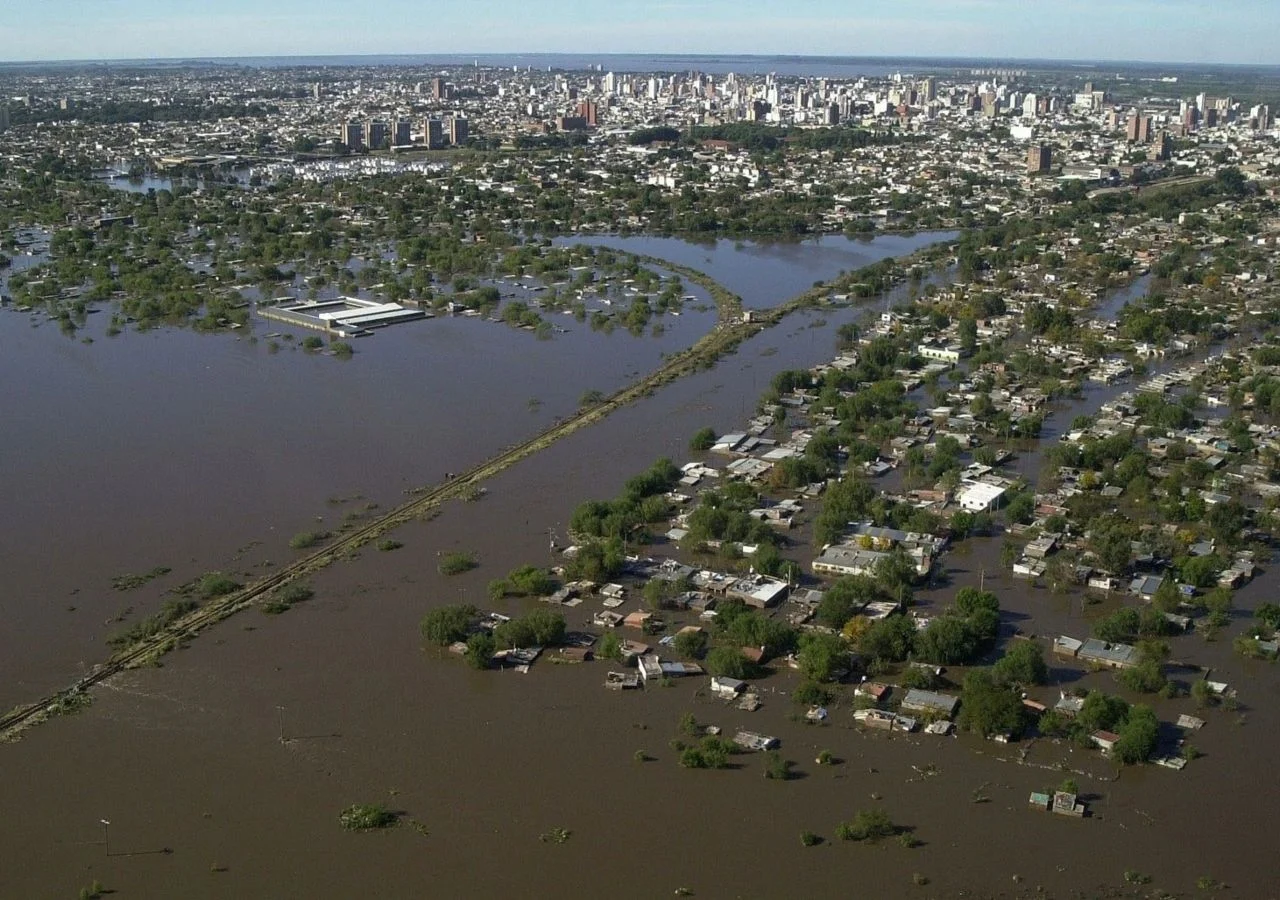
El dilema del real estate ante la crisis de asegurabilidad: DAIA inicia el piloto del modelo de estrés climático IRIU
RN
Real Estate Risk15 de septiembre de 2026La plataforma basada en inteligencia artificial no solo permite a grandes inversores proteger activos críticos, sino que democratiza la certidumbre técnica para compradores e inquilinos antes de concretar una operación.

Neuquén frente a la encrucijada climática de Vaca Muerta: el precio de la descarbonización en la era del GNL exportable
RN
Minería & Energia16 de septiembre de 2026En el marco del foro internacional de sostenibilidad energética, el gobierno neuquino vinculó de forma directa la validez comercial del gas no convencional con la reducción drástica de emisiones. Sin embargo, la brecha de inversión tecnológica, los pasivos ambientales históricos y los severos déficits de infraestructura en municipios clave como Añelo imponen un complejo cuello de botella operativo para la cuenca.

Dependencia digital, choque energético y brechas internas: la encrucijada de los USD 12.000 millones en América Latina
RN
Ciencia e Innovación16 de septiembre de 2026El plan multimillonario de CAF ante el dilema regional: liderar con estrategia propia o consolidar la dependencia tecnológica frente a Estados Unidos y China.

El presupuesto 2027 frente a la pared global: las inconsistencias de una pauta económica hiperoptimista
RN
Economía16 de septiembre de 2026Detrás de las metas oficiales de inflación y superávit se oculta un frente externo hostil que amenaza con frenar las inversiones en energía y minería, limitando la expansión del PBI a la mitad de lo proyectado por el Gobierno.