The End of Greenwash in the Dust: How Global Mining Is Rewriting Its Social Contract
The global mining industry has arrived at its reckoning. After two decades during which 'ESG' oscillated between a bureaucratic box-checking exercise and a slick PR shield, the world's most powerful resource extractors are confronting a harsh operational truth: smooth glossy reports do not build mines—legitimacy on the ground does. In an era defined by resource nationalism and immediate local resistance, the coveted 'social license to operate' has transformed from an abstract corporate ideal into the single most volatile line item on the balance sheet.
This shift comes at a moment of existential friction. As the global energy transition demands unprecedented torrents of lithium, copper, and nickel, the scramble for critical minerals is colliding head-on with emboldened local communities and fragile ecosystems. Across six distinct geopolitical arenas, the battle for community consent is no longer being waged with vague promises, but through fundamentally distinct operational architectures.
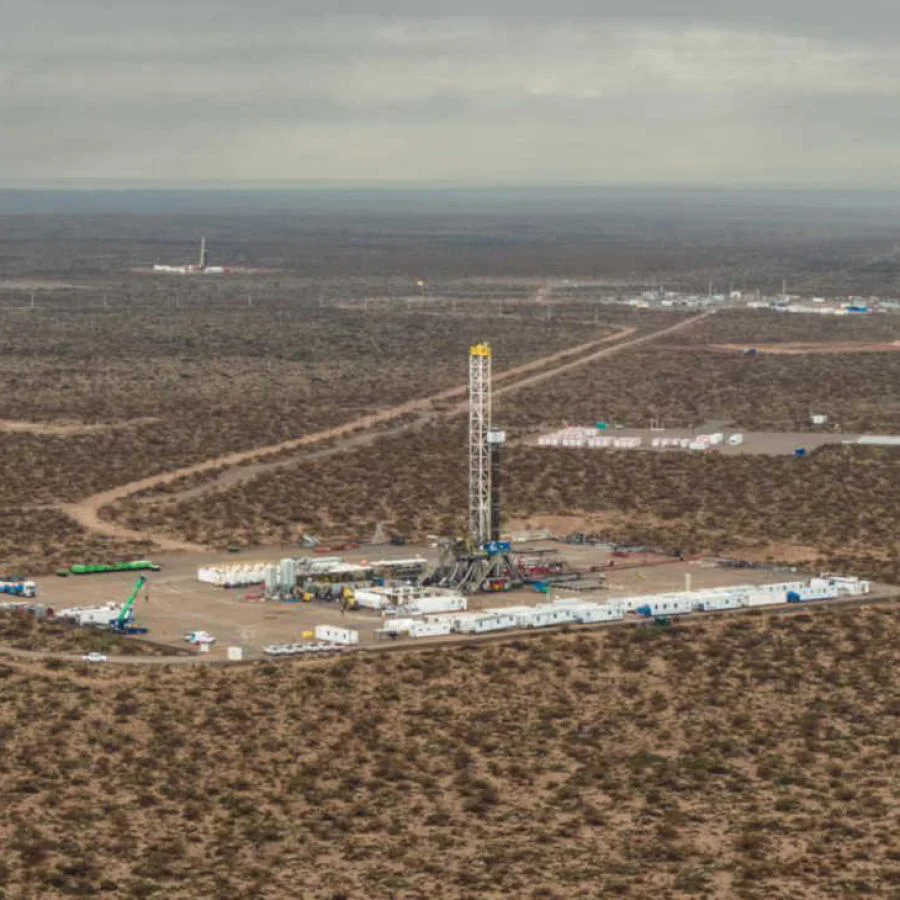
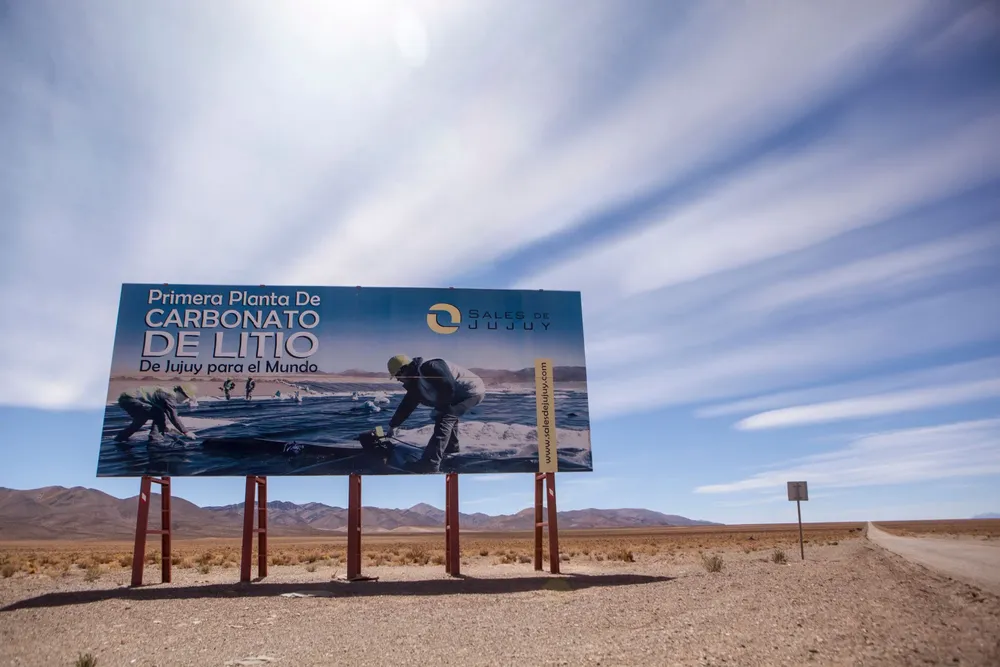
In the high-altitude deserts of South America's Southern Cone, two neighboring nations offer a masterclass in contrasting realities. Chile, long the region's institutional vanguard, has been forced to redefine its social contract around the country’s most desperate resource: water. Driven by crippling droughts in Atacama and stringent watershed regulations, mining giants have had to abandon local aquifers, investing billions in sea-water desalination pipelines and co-creating shared value models to secure survival. Across the Andes, Argentina presents a chaotic, fragmented landscape where natural resources belong strictly to individual provinces. There, securing a social license is an exercise in hyper-local diplomacy—a painstaking effort to build trust town by town, guarantee local hiring, and cultivate regional supply chains to overcome deep-seated historic bans.
Across the Atlantic, the United States has turned community consent into a high-stakes legal battlefield. Governed by unforgiving federal environmental reviews, preventive litigation, and an aggressive federal focus on environmental justice, securing an extraction permit on American soil requires absolute operational transparency and early, binding alignment with Native American tribal nations. Here, procedural flaws are not merely PR embarrassments; they are legal death sentences that stall mega-projects indefinitely in federal courtrooms.
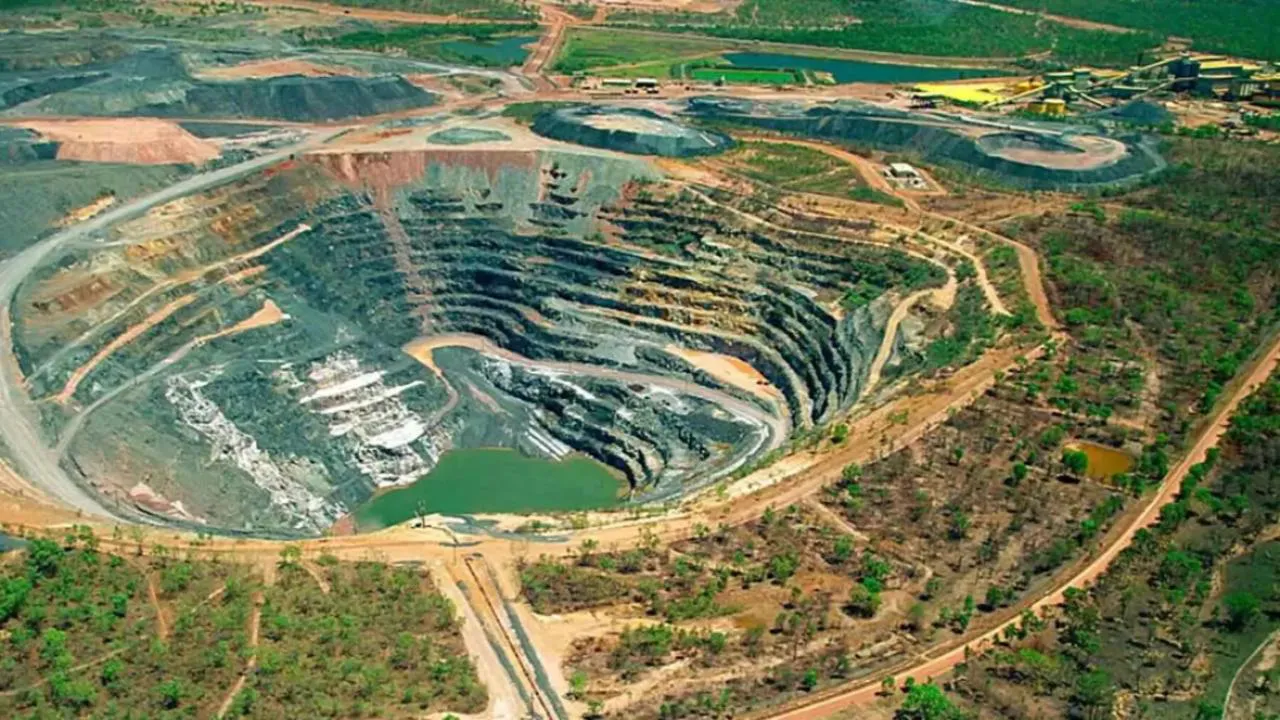
In stark contrast, Asia and Oceania showcase two opposing philosophies of state power and corporate accountability. In China, the world's dominant processor of critical minerals, extraction operates under a top-down mandate where alignment with Beijing’s state directives guarantees swift execution, prioritizing strategic supply over local consultation. Yet, as Chinese state-backed enterprises expand overseas, they are rapidly being forced to adopt Western transparency norms to avoid catastrophic community friction abroad. Australia, meanwhile, represents the global benchmark for institutional maturity. Backed by a century of mining heritage, Australian operators rely on legally binding Native Title agreements with Indigenous traditional owners, combining heavy automation to shrink environmental footprints with unyielding financial disclosure before international capital markets.
Yet, as narrative commitments lose their currency, the true frontier of social license lies in structural, market-backed accountability. Pioneering frameworks like Stakeholder Prosperity Bonds—aligned with international ICMA sustainability standards—are quietly replacing corporate charity with hard finance. By tying bond yield rates directly to verifiable local Key Performance Indicators—such as funding shared water infrastructure, roads, and regional business incubators—these instruments bind a mine’s bottom line directly to the tangible prosperity of its host communities.
The era of cheap words and corporate boilerplate in the extractive sector is dead. In a global economy where end-users and investors aggressively audit the ethics of their supply chains, a mining company's true valuation is no longer determined solely by the richness of the ore in the rock, but by the authenticity and strength of the pact it strikes with the people who live above it.


La reinvención de la minería global: la era de la Licencia Social Auténtica

Claves de la Ley de Modernización Laboral en la minería: entre la previsibilidad del FAL y los desafíos de su implementación

Investigan supuestas irregularidades en el proceso de adjudicación de las represas hidroeléctricas del Comahue

Radiografía de la Minería en Argentina: Ranking Anual de las Principales Operadoras del Sector


Guillermo Plate defendió el proceso de desregulación del mercado asegurador en Expoestrategas 2026

Rolando Figueroa remarcó el aporte de Neuquén al país y reclamó mayor integración regional para el desarrollo de la Norpatagonia


Innovación financiera municipal: herramientas crediticias y de pago para dinamizar la economía local